Cleaning and Replacing DEF Injectors: A Complete Guide for Diesel Vehicle Owners
DEF Injectors and Their Role in Diesel Engines
Diesel Exhaust Fluid (DEF) is a vital element in contemporary diesel engines, primarily aimed at reducing harmful emissions. Comprised of a solution of urea and deionized water, DEF is integral to the Selective Catalytic Reduction (SCR) process, where it is injected into the exhaust stream to convert nitrogen oxides (NOx) into nitrogen and water vapor, significantly diminishing the environmental impact of diesel vehicles.
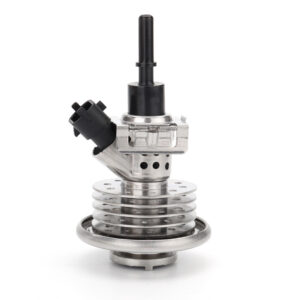
DEF injectors are specialized components designed to dispense the precise amount of DEF into the exhaust system. They operate under high pressure, atomizing the fluid to promote an effective chemical reaction in the SCR catalyst. Well-functioning DEF injectors guarantee the optimal performance of the SCR system, allowing the vehicle to adhere to emission standards while operating efficiently.
Nevertheless, like any component in a diesel engine, DEF injectors may experience issues that can disrupt their operation. Common problems include:
- Clogging: Defective or contaminated DEF can lead to crystal formation, resulting in blockages within the injector nozzles.
- Electrical Failures: Problems with wiring or connectors can cause injectors to malfunction, illuminating warning lights on the dashboard.
- Leakage: Over time, seals and o-rings may deteriorate, causing fluid leaks that affect injector performance.
Recognizing the function of DEF injectors and the challenges they face is crucial for diesel vehicle owners. Regular maintenance and timely replacement can help avoid expensive repairs and ensure that diesel engines continue to comply with emission regulations while functioning effectively.
Identifying DEF Injector Problems
Detecting the signs of a malfunctioning Diesel Exhaust Fluid (DEF) injector is essential for maintaining the efficiency and performance of your diesel vehicle. Various symptoms can signify a clogged or failing DEF injector, and being vigilant about these signs can help facilitate quick action and avert more serious complications.
- Reduced Engine Performance: A noticeable decline in engine power and acceleration is one of the most common indicators of DEF injector issues. If your vehicle has difficulty climbing hills or feels unresponsive, it may point to a DEF injector malfunction.
- Increased Emissions: A clogged injector might cause higher emissions levels, which could lead to failure during emissions tests or trigger warning lights on the dashboard.
- Warning Lights: Your vehicle’s onboard diagnostics could trigger the check engine light or the DEF system warning light. These indications are often accompanied by specific error codes related to the DEF system.
- Frequent Regeneration Cycles: Excessive regeneration cycles may indicate that the DEF injectors are not functioning properly, resulting in inefficient exhaust treatment.
To accurately diagnose DEF injector issues, consider these tips and tools:
- OBD-II Scanner: Utilize an OBD-II scanner to read error codes that provide insights into DEF-related issues. Codes such as P20E8, P202D, or P207F typically relate to the DEF system.
- Visual Inspection: Examine the DEF injector and nearby components for any visible leaks, corrosion, or clogs that could indicate a problem.
- Fluid Analysis: Analyzing the quality of the DEF fluid might reveal contaminants or dilution, affecting injector performance.
By being aware of these indicators and utilizing the proper diagnostic tools, you can detect DEF injector problems early, ensuring that your diesel vehicle operates smoothly and efficiently.
Step-by-Step Guide to Cleaning a DEF Injector
Maintaining optimal engine performance and reducing emissions necessitates cleaning your diesel exhaust fluid (DEF) injectors. Below is a thorough guide on how to safely clean your DEF injectors.
Necessary Tools and Supplies:
- Protective gloves and safety goggles
- Wrench set and socket wrench
- Compressed air source or canister
- Cleaning solvent or specialized injector cleaner
- Small brushes or dental picks
- Shop towels or rags
- Containers to catch fluid
Step-by-Step Cleaning Procedure:
- Preparation: Ensure the engine is cool and disconnect the battery to avoid electrical issues. Wear your protective gear.
- Access the Injector: Locate the DEF injector, usually found near the exhaust system. Carefully remove the injector from its housing using the appropriate wrench.
- Inspect the Injector: Check the injector for signs of damage or corrosion. If significant faults are identified, consider replacing rather than cleaning.
- Clean the Injector: Apply cleaning solvent or specialized injector cleaner with a small brush to eliminate any build-up. For a thorough clean, use compressed air to blow through the injector, ensuring all blockages are cleared.
- Rinse and Dry: Use shop towels to wipe the injector thoroughly and remove any cleaning agents or debris. Allow it to dry completely prior to reinstallation.
- Reinstall the Injector: Once cleaned and dried, carefully reinstall the injector, ensuring all seals are properly positioned to avoid leaks.
- Final Check: Reconnect the battery, start the engine, and monitor for any error codes or leaks to confirm proper injector functionality.
Safety Precautions: Conduct cleaning in a well-ventilated area and familiarize yourself with the chemical safety data of the materials used. Dispose of waste materials in accordance with local environmental regulations.
When to Replace Your DEF Injector
Knowing when to replace your Diesel Exhaust Fluid (DEF) injector is crucial for maintaining optimal engine performance. While cleaning the injector may resolve minor issues, certain situations require replacement as the more effective solution.
To evaluate the condition of your DEF injector, begin by checking for signs of wear or damage, such as:
- Physical deformation or cracks in the injector body.
- Frequent clogging that persists despite cleaning.
- Ongoing error codes associated with the DEF system.
Assessing the advantages and disadvantages of cleaning versus replacing is important:
- Cleaning: This is generally a less expensive and quicker option, suitable for injectors that are merely clogged. However, cleaning may not address underlying mechanical issues.
- Replacing: A new injector ensures peak performance and reliability. Though more costly, replacement can avert future problems arising from a compromised injector.
Certain indicators necessitate immediate replacement, including:
- Fluid leaks from the injector that cannot be sealed.
- Detection of injector failure by diagnostic tools.
- Elevated emissions levels that fail to meet regulatory standards.
When weighing your options, refer to the comparison table below:
| Criteria | Cleaning | Replacing |
|---|---|---|
| Cost | Low | High |
| Time | Short | Moderate |
| Effectiveness | Variable | High |
In essence, while cleaning can serve as a temporary solution for minor DEF injector problems, knowing when to choose replacement can save you time and money down the line. Regularly assess the condition of your injector to make timely decisions that enhance your vehicle’s performance.
Buying Guide for DEF Injectors and Cleaning Tools
When selecting DEF injectors and cleaning tools, diesel vehicle owners should emphasize quality, compatibility, and reliability. Making informed purchases can optimize vehicle performance, enhance emissions control, and prolong the lifespan of your diesel engine. Here are key factors to consider:
- Brand Reputation: Choose injectors from reputable manufacturers known for durability and performance. Brands with industry recognition typically provide better product reliability and customer support.
- Compatibility: Ensure that the DEF injectors you select are compatible with your specific diesel vehicle model. Consult your owner’s manual or contact your vehicle manufacturer for detailed specifications.
- Warranty: Look for injectors that come with a comprehensive warranty. A solid warranty can offer peace of mind and cover potential defects or performance issues that may occur post-installation.
In addition to selecting quality injectors, possessing the right cleaning tools and supplies is vital for effective maintenance. Here are some recommended items:
- Cleaning Kit: A thorough cleaning kit tailored specifically for DEF injectors should include brushes, cleaning solutions, and other essential tools to ensure an effective clean.
- Protective Gear: Always wear safety goggles and gloves when handling DEF injectors and cleaning agents to shield yourself from hazards.
- Diagnostic Tools: Investing in diagnostic equipment can help identify issues within your DEF system, facilitating proactive maintenance and preventing costly repairs.
For a quick reference, consider using the following checklist when purchasing DEF injectors and cleaning kits:
- Check compatibility with vehicle specifications.
- Research brand reputation and customer reviews.
- Confirm a reasonable warranty period is offered.
- Evaluate the completeness of the cleaning kit.
- Include suitable protective gear in your purchases.
By adhering to this buying guide, diesel vehicle owners can make educated decisions that contribute to the optimal performance of their DEF systems and enhance overall vehicle maintenance.
Frequently Asked Questions (People Also Ask)
As a diesel vehicle owner, understanding the maintenance of your DEF (Diesel Exhaust Fluid) injectors is crucial. Here are some common queries that many owners have regarding DEF injectors:
- How often should you clean your DEF injector?
It is advisable to clean your DEF injectors every 30,000 miles or as part of your regular maintenance routine. However, if you encounter any signs of malfunction, it may be wise to clean them sooner. - What symptoms indicate a malfunctioning DEF injector?
Key symptoms include a decline in fuel efficiency, warning lights illuminating on your dashboard, rough engine performance, or unusual exhaust emissions. If you experience these issues, it’s paramount to inspect your DEF injectors. - What tools are essential for cleaning a DEF injector?
Basic hand tools like wrenches and a ratchet set are necessary. You may also require specialized DEF cleaner and a high-pressure air source. Be sure to use safety equipment, such as gloves and goggles, for protection during cleaning tasks. - Can you replace a DEF injector yourself?
Yes, if you possess mechanical knowledge and the appropriate tools, you can replace a DEF injector independently. However, it’s critical to follow manufacturer guidelines and consider seeking professional help if you’re uncertain. - What are the consequences of ignoring DEF injector issues?
Neglecting DEF injector maintenance can lead to decreased vehicle performance, elevated emissions, and potential damage to the engine and exhaust systems. Addressing these issues promptly ensures compliance with emissions regulations and extends the lifespan of your vehicle.