Understanding Diesel Exhaust Fluid (DEF) Systems: Comprehensive Guide to Spraying, Maintenance, and Troubleshooting
Overview of Diesel Exhaust Fluid (DEF) and Its Importance
Diesel Exhaust Fluid (DEF) is essential for the operation of modern diesel engines that must meet strict emissions standards. DEF is a clear, non-hazardous liquid made of 32.5% high-purity urea and 67.5% deionized water. When injected into the exhaust stream of diesel engines, it triggers a chemical reaction that converts harmful nitrogen oxides (NOx) into nitrogen and water, significantly minimizing harmful emissions and aiding in cleaner air.
The pivotal role of DEF in emissions reduction is tied to Selective Catalytic Reduction (SCR) technology, which effectively alleviates NOx emissions produced during combustion. While diesel engines are engineered for enhanced efficiency and power, they also generate higher amounts of NOx, making DEF crucial for adherence to regulations established by environmental agencies globally.
Adhering to these environmental regulations is vital for industries reliant on diesel-powered equipment. The introduction of DEF stemmed from the Environmental Protection Agency’s (EPA) decision to impose stricter guidelines to decrease pollutants from diesel vehicles. Consequently, the adoption of DEF not only assists manufacturers and operators in fulfilling legal obligations but also supports wider initiatives focused on environmental sustainability.
In conclusion, Diesel Exhaust Fluid plays an indispensable role in current diesel engine systems. It is key in minimizing emissions, ensuring compliance with regulations, and contributing to the global drive for cleaner air. For operators and fleet managers, comprehending DEF’s significance is crucial to maintaining engine performance and fulfilling environmental responsibilities.
When Does DEF Spray: Continuous vs. Regenerative Spraying
Building on the understanding of DEF’s importance, it’s essential to explore how DEF systems function concerning emission control in diesel engines. DEF is sprayed into the exhaust stream to facilitate the reduction of nitrogen oxides (NOx) through a process known as Selective Catalytic Reduction (SCR). This section delineates the timing and conditions for DEF injection, differentiating between continuous and regenerative spraying.
Continuous DEF spraying represents the standard operating mode, where DEF is continuously injected into the exhaust stream during engine operation. This mode guarantees the SCR catalyst receives a steady supply of DEF, allowing for constant NOx reduction. The operational control module monitors multiple factors, including engine load, speed, and temperature, to optimize the DEF injection rate for efficiency.
In contrast, regenerative spraying occurs during specific cycles of the diesel particulate filter (DPF) regeneration. These cycles are designed to burn off accumulated soot and can temporarily elevate exhaust temperatures. During these intervals, the engine control unit may adjust the DEF injection according to heightened conditions, allowing for larger doses of DEF to ensure optimal NOx conversion. The interaction between DEF injection and these regeneration processes is crucial, as excessive DEF usage during regeneration can result in ammonia slip, highlighting the necessity for accurate control.
Several factors influence the timing of DEF spraying, including:
- Exhaust Temperature: Elevated temperatures typically require increased DEF to maintain effective NOx reduction.
- Engine Load: Greater load conditions may activate additional DEF injection to manage increased emissions.
- Operational Modes: Various driving scenarios, like idling or high-speed driving, affect the DEF spray rate.
By comprehending these operational parameters, diesel engine operators can ensure efficient DEF system performance, thereby meeting regulatory requirements and optimizing overall system operation.
Common Issues with DEF Systems and Solutions
Transitioning from operation understanding to addressing potential challenges, it’s vital to acknowledge common issues that may arise with Diesel Exhaust Fluid (DEF) systems. Below are typical signs of DEF system failures, accompanied by troubleshooting steps and solutions to help rectify these problems.
- Symptoms of DEF System Failures:
- Increased engine codes or warnings shown on the dashboard.
- Performance issues like power loss or stalling.
- Fluid leaks, indicating possible hose, injector, or tank problems.
- Frequent DEF refills, which may suggest a clog or leak.
- Troubleshooting Steps for DEF Injector Problems:
- Utilize a diagnostic tool to check for error codes.
- Inspect the DEF injector for signs of corrosion or damage.
- Ensure the DEF tank is full and devoid of contaminants.
- Test electrical connections to the injector for proper functionality.
- Practical Solutions for Typical Issues:
- For leaks, tighten hose connections or replace defective hoses.
- In case of clogs, consider performing a DEF system flush to remove obstructions.
- Replace malfunctioning sensors or components to restore proper system functionality.
- Conduct regular inspections and maintenance of your DEF system to avert cumulative issues.
By observing these troubleshooting steps and solutions, you can effectively manage and address DEF system problems, ensuring your machinery operates efficiently and reliably.
Comparison of DEF System Components
As we delve into the intricacies of DEF systems, it becomes vital to understand their components for effective emissions reduction in modern diesel engines. A clear comprehension of these components is essential for maintenance and performance optimization. This section offers a comparative analysis of key DEF system components, such as pumps, injectors, and tanks.
- Pumps: Responsible for transferring DEF from the tank to the injectors, various pump types include diaphragm and gear pumps.
- Pros: Diaphragm pumps are trusted for their reliability and vibration handling, while gear pumps provide a steady flow rate.
- Cons: Diaphragm pumps can be sensitive to fluid contaminants, whereas gear pumps may wear out quicker under high pressures.
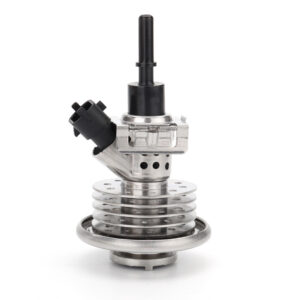
- Injectors: DEF injectors atomize the fluid into the exhaust stream, enhancing urea decomposition.
- Pros: High-quality injectors deliver precise spray patterns, ensuring better DEF utilization and minimized emissions.
- Cons: Expensive injectors can inflate overall system costs, and poorly designed injectors may be prone to clogging.
- Tanks: Storing DEF, tanks are typically made from polyethylene or stainless steel to prevent degradation.
- Pros: Stainless steel tanks offer durability and corrosion resistance, while polyethylene tanks are lightweight and cost-effective.
- Cons: Stainless tanks may be pricier and heavier, while polyethylene requires frequent inspections for cracks and leaks.
When selecting components, consider the specific application requirements, anticipated usage, and potential environmental conditions that could affect performance. Grasping these factors will facilitate informed decisions regarding DEF system maintenance and upgrades.
Essential Buying Guide for DEF Systems
Shifting from component understanding to practical application, choosing the appropriate Diesel Exhaust Fluid (DEF) system is crucial for optimal performance and adherence to emissions standards. When assessing DEF systems, take into account the following key factors:
- Compatibility: Ensure the DEF system is suitable for your vehicle’s engine and emissions system, as various heavy-duty trucks, light vehicles, and construction equipment may demand specific DEF criteria.
- Maintenance Requirements: Different systems exhibit varying maintenance needs. Look for systems that facilitate easy maintenance and have accessible components to minimize downtime.
- Pricing: Consider not only the initial purchase price but also long-term operational costs. Compare the cost of DEF fluid, filter replacements, and additional parts needed for each system.
When considering reputable DEF brands, a few stand out for their reliability and efficiency:
- BlueDEF: A favored selection among heavy-duty truck operators, recognized for its high purity level and performance in cold climates.
- Peak: Commonly utilized for light vehicles, offering both affordability and effectiveness.
- SuperTech: Provides a competitively priced option for general use, suitable for heavy-duty and light-duty applications.
For specific applications, consider the following recommendations:
- Heavy-Duty Trucks: Seek systems designed for high consumption and extreme operating conditions; BlueDEF is often the preferred choice.
- Light Vehicles: Systems like Peak DEF deliver sufficient performance while remaining budget-conscious and efficient.
To aid in making an informed decision, utilize this checklist:
- Compatibility with your vehicle model
- Ease and frequency of maintenance
- Cost analysis, including initial and ongoing expenses
- Brand reputation and user feedback
By reflecting on these criteria and comparisons, you can confidently select a DEF system tailored to your unique needs.
Frequently Asked Questions (People Also Ask)
To further enhance your understanding of Diesel Exhaust Fluid (DEF) systems, we address some common queries related to DEF and its operation, which are vital for the proper functioning of modern diesel engines, particularly in meeting emission standards.
- How does DEF injection work during regeneration?
During regeneration, the engine control unit (ECU) activates the DEF injector to spray DEF into the exhaust stream. This occurs at elevated temperatures, converting the urea in DEF into ammonia and carbon dioxide, which aids in breaking down harmful nitrogen oxides into harmless nitrogen and water vapor. - What happens if my DEF runs out?
When the DEF runs out, the vehicle enters a reduced power mode to encourage refilling. Moreover, many systems prevent the engine from starting until DEF is replenished, assuring compliance with emissions regulations. - Can I use homemade DEF in my vehicle?
No, using homemade DEF may result in performance difficulties and engine damage. It’s crucial to use certified DEF that meets the ISO 22241 standard to ensure proper functioning and compliance. - How often should DEF injectors be cleaned?
DEF injectors should generally be cleaned every 50,000 to 60,000 miles or as recommended by the vehicle manufacturer to avoid clogging and maintain operational efficiency. - What tools do I need for DEF injector maintenance?
A basic toolkit, including wrenches, socket sets, screwdrivers, and a cleaning kit specially designed for DEF injectors, is sufficient. Additionally, a multimeter can assist in diagnosing electrical issues. - Can I clean DEF injectors myself?
Yes, cleaning DEF injectors can be performed at home if you follow the manufacturer’s guidelines and utilize the appropriate cleaning solutions. However, for complex issues or if you’re uncertain, consulting a professional is advisable.