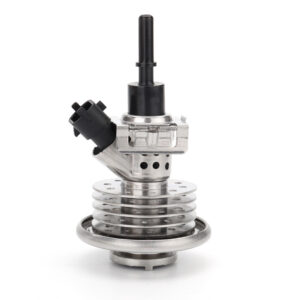
How to Remove and Replace DEF Injectors: A Comprehensive Guide
Understanding the Diesel Exhaust Fluid (DEF) System
The Diesel Exhaust Fluid (DEF) system is vital for modern diesel vehicles, aimed at reducing harmful emissions and ensuring compliance with stringent environmental regulations. The DEF system comprises key components, including the DEF tank, pump, lines, sensors, and DEF injectors.
- DEF Tank: Stores the urea-water solution utilized in the system.
- DEF Pump: Delivers fluid from the tank to the injectors.
- DEF Injectors: Introduce DEF into the exhaust stream, facilitating a chemical reaction that converts harmful NOx emissions into nitrogen and water vapor.
- Sensors: Monitor DEF level and quality for optimal performance.
DEF injectors are crucial for emission reduction, as they atomize the urea solution for thorough mixing with exhaust gases. This reaction minimizes nitrogen oxides (NOx), which significantly contribute to air pollution. A properly functioning DEF injector ensures the correct amount of DEF is mixed, optimizing emissions control and engine performance. Malfunctioning DEF injectors can adversely affect engine performance, with symptoms including diminished engine power, increased fuel consumption, and triggering of the check engine light. In severe cases, vehicles may enter a restricted power mode, limiting speed or acceleration to prevent engine damage and maintain emission compliance. Additionally, defective DEF injectors can result in elevated harmful emissions, potentially incurring regulatory fines and environmental penalties. Therefore, understanding the DEF system and its components, particularly the injectors, is vital for diesel engine efficiency and compliance.
Signs Your DEF Injector Needs Replacement
Recognizing symptoms signaling a failing Diesel Exhaust Fluid (DEF) injector is essential for maintaining optimal engine performance and meeting emissions regulations. Here are several critical indicators to monitor:
- Reduced Engine Performance: A defective DEF injector can cause decreased power, sluggish acceleration, and starting difficulties.
- Increased Emissions: If your vehicle emits more pollutants than usual, it may signify that the DEF injector is malfunctioning, risking compliance with emissions standards.
- Warning Lights: Watch for dashboard warning lights, such as the Check Engine light or a specific DEF light indicating injector issues.
- Frequent Regeneration Cycles: An abnormal increase in regeneration cycles may suggest inefficient DEF fluid injection, making emission cleaning efforts harder.
- Fluid Leaks: Visible fluid leaks around the injector can signal a failure or crack in the injector system.
In addition to the symptoms listed, being aware of diagnostic trouble codes (DTCs) that may emerge from DEF injector failures is crucial. Below is a table of common diagnostic codes associated with DEF injector issues:
| Code | Meaning |
|---|---|
| P20E8 | DEF Injector Circuit High |
| P203E | DEF Quality Deterioration |
| P20E9 | DEF Injector Performance |
| P2002 | Particulate Trap Efficiency Below Threshold |
Monitoring these signs and codes will assist you in determining when to replace your DEF injector, ensuring your vehicle operates efficiently and remains compliant with emissions requirements.
Step-by-Step Guide to Removing and Replacing a DEF Injector
Replacing the Diesel Exhaust Fluid (DEF) injector can greatly improve your vehicle’s emissions control system. Follow this step-by-step guide for a successful teardown and replacement.
Tools and Materials Required:
- Socket wrench set
- Torque wrench
- DEF injector removal tool (if applicable)
- New DEF injector
- Clean rags
- Safety goggles
- Gloves
- Container for old fluid
Safety Precautions:
- Always wear safety goggles and gloves to protect against fluids and sharp components.
- Work in a well-ventilated area to avoid inhaling fumes.
- Ensure the engine is cool before starting your work.
- Disconnect the battery to prevent electrical hazards.
Steps for Removing the DEF Injector:
- Locate the DEF injector, typically positioned near the diesel tank or exhaust manifold.
- Using a socket wrench, carefully remove any bolts securing the injector assembly.
- Disconnect the electrical connector from the injector by pressing the release tab.
- Remove the injector by gently pulling it out; a removal tool may be necessary if it is stuck.
Steps for Installing the New DEF Injector:
- Clean the injector port with a rag to eliminate any debris.
- Insert the new DEF injector into the port, ensuring proper seating.
- Reconnect the electrical connector, ensuring it clicks into place.
- Reattach the bolts and tighten them to the manufacturer’s recommended torque specifications.
- Reconnect the battery and double-check all connections before refilling the DEF tank.
Carefully following these steps will facilitate a smooth installation process, restoring your vehicle’s efficiency and emissions control.
Testing Your DEF Injector for Optimal Performance
After replacing your DEF injectors, testing their performance is essential to ensure proper function. Adequate testing prevents potential engine issues and maintains optimal vehicle performance. Here are methods to assess the flow rates and overall functionality of the injectors:
- Visual Inspection: Prior to testing, inspect the injector for signs of damage, leaks, or improper installation.
- Flow Rate Testing: Employ a flow meter to measure the DEF flow rate. Connect the flow meter to the injector, activate the system, and compare the measured flow rate to the manufacturer’s specifications. A typical flow rate is crucial for ensuring proper mixing and performance.
- Pressure Testing: Utilize a pressure gauge to check the injector’s operable pressure, determining if the injector delivers DEF at the required level.
- ECU Diagnostics: Connect a diagnostic tool to the vehicle’s ECU and check for any fault codes related to the DEF system, which may indicate injector or surrounding component issues.
The significance of these tests cannot be overstated. An injector not performing to specifications can cause increased emissions, reduced engine efficiency, and costly repairs later. By following these testing procedures, you help ensure your DEF injector functions optimally, maintaining your engine’s overall health.
| Parameter | Expected Value | Test Result |
|---|---|---|
| Flow Rate | 0.5 – 1.5 L/h | [Insert measured value] |
| Injector Pressure | 5 – 10 bar | [Insert measured value] |
Troubleshooting Common DEF Injector Issues
Diagnosing Diesel Exhaust Fluid (DEF) injector issues is critical for maintaining optimal vehicle performance and minimizing emissions. Here are common problems you may encounter, along with a troubleshooting guide for each:
- Clogging: DEF injectors can become clogged due to impurities in the fluid or corrosion. To troubleshoot this issue, follow these steps:
- Check for error codes using a diagnostic tool connected to the DEF injector.
- Inspect the injector nozzle for any visible obstructions or residue.
- Clean the injector with an appropriate cleaning fluid or replace it if cleaning is ineffective.
- Leaks: Leaking DEF can significantly degrade performance. To identify leaks:
- Examine the area around the injector and associated connections for any fluid signs.
- Check the integrity of hoses and connectors for wear or damage.
- Tighten any loose fittings or replace damaged components to eliminate leaks.
- Electrical Failures: DEF injectors depend on electrical signals for optimal operation. If you suspect an electrical issue:
- Inspect the electrical connectors for any corrosion or damage.
- Use a multimeter to test voltage and continuity at the injector connection.
- Replace faulty wiring or connectors as indicated by your testing results.
For a streamlined troubleshooting process, consider using the following checklist:
- Verify the DEF quality and fluid level.
- Check for error codes indicating specific injector issues.
- Perform visual inspections of the injector and related components.
By following these troubleshooting steps, you can efficiently diagnose and resolve common DEF injector issues, ensuring your system operates smoothly and efficiently.
FAQs About DEF Injectors and Maintenance
Understanding DEF injectors is essential for maintaining the efficiency and functionality of your diesel engine. Below are some frequently asked questions regarding DEF injectors and their maintenance.
- What is the optimal replacement frequency for DEF injectors?Generally, DEF injectors should be inspected and potentially replaced every 100,000 to 150,000 miles. However, this may vary depending on usage conditions, driving patterns, and manufacturer recommendations. Regular diagnostics can help assess their condition.
- What are the common causes of DEF injector failure?DEF injectors may fail due to several factors, including:
- Contamination from low-quality DEF.
- Corrosion or buildup in the injector nozzle.
- Improper handling or installation.
- Should I clean or replace my DEF injectors?While cleaning can sometimes restore functionality, replacement is typically the most reliable solution for severe clogging or damage. If you choose to clean, consider engaging a professional service, and always assess the injector’s overall condition.
- What preventive maintenance tips can I follow?To extend the life of your DEF injectors, consider these preventive measures:
- Use high-quality DEF from reputable suppliers.
- Avoid mixing different brands of DEF.
- Perform regular system checks to detect early signs of injector wear.
By remaining informed about DEF injectors and adhering to these maintenance tips, vehicle owners can significantly enhance performance while ensuring compliance with emissions standards.