Understanding Diesel Exhaust Fluid (DEF): A Comprehensive Guide
What is Diesel Exhaust Fluid (DEF)?
Diesel Exhaust Fluid (DEF) is an essential element in the operation of contemporary diesel engines, specifically designed to minimize harmful emissions. This non-toxic solution consists of 67.5% deionized water and 32.5% urea, a compound derived from ammonia and carbon dioxide. This precise formulation allows DEF to facilitate a chemical reaction that transforms nitrogen oxides (NOx), a significant environmental pollutant, into harmless nitrogen and water vapor during the exhaust process.
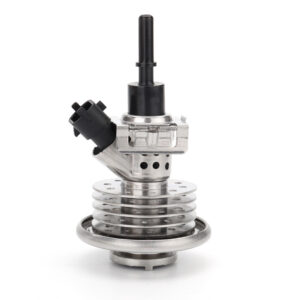
DEF plays a pivotal role in diesel engines through its use within Selective Catalytic Reduction (SCR) systems. When it is injected into the exhaust stream, DEF vaporizes and decomposes into ammonia, leading to a reaction with NOx emissions in the SCR catalyst. This process drastically reduces the NOx levels released into the environment, enabling diesel vehicles to comply with stringent environmental regulations and standards.
Despite its critical importance, several misconceptions about DEF persist. A common myth is that DEF negatively impacts engine performance; however, when utilized correctly, it actually improves efficiency by fostering cleaner combustion. Another misunderstanding is that DEF merely acts as an additive; in fact, it is a standalone fluid essential for effective emissions control. Additionally, DEF has a shelf life of approximately one year when stored properly, making appropriate handling and storage crucial for preserving its efficacy.
In conclusion, understanding DEF is vital for anyone involved in the operation and maintenance of diesel engines. By recognizing its composition, function, and the myths often associated with it, operators can better appreciate its role in fostering environmental sustainability while ensuring compliance with regulations.
How Diesel Exhaust Fluid Works
Building upon the understanding of DEF, it is instrumental in reducing harmful emissions from diesel engines, predominantly through the Selective Catalytic Reduction (SCR) process. This advanced technology enables engine manufacturers to adhere to strict emissions regulations while preserving engine performance. The SCR system operates by injecting DEF into the exhaust stream, where it aids in converting nitrogen oxides (NOx) into innocuous nitrogen and water vapor.
Upon injection into the hot exhaust gases, DEF undergoes a chemical reaction facilitated by a catalytic converter. The primary component of DEF, urea—derived from ammonia and carbon dioxide—breaks down into ammonia due to the heat from the exhaust. This ammonia subsequently reacts with nitrogen oxides, which can be summarized by the following chemical equation:
- 4 NH3 + 4 NO + O2 → 4 N2 + 6 H2O
By effectively converting NOx into environmentally benign nitrogen and water vapor, DEF significantly diminishes emissions from diesel engines. The inclusion of urea in DEF not only boosts its efficacy but also ensures that the SCR system operates efficiently across different conditions. Consequently, the integration of DEF and SCR technology has become indispensable for modern diesel engines, meeting environmental obligations without compromising operational efficiency. This synergy contributes to cleaner air and aligns with global initiatives focused on reducing vehicular pollution.
Comparing Diesel Exhaust Fluid Brands
With a solid grasp of how DEF operates, it is crucial to evaluate the right Diesel Exhaust Fluid (DEF) brand to uphold the efficiency and longevity of diesel engines equipped with Selective Catalytic Reduction (SCR) systems. As a multitude of brands are on the market, it is vital to consider various factors that influence quality and performance.
When assessing DEF brands, take into account the following factors:
- Quality: The purity of DEF is paramount; it should comprise 32.5% urea and 67.5% deionized water. Higher quality DEF mitigates issues like crystallization and injector clogging.
- Reliability: Investigate the manufacturer’s reputation and product consistency. A brand with an established track record is more likely to provide DEF that meets industry standards.
- Price: While cost shouldn’t be the sole determining factor, finding a balance between affordability and quality is important. Cheaper alternatives may compromise standards, leading to expensive repairs.
To guide your decision-making process, the following overview highlights some popular DEF brands available in the market:
| Brand Name | Quality Rating | Price (per gallon) | User Reviews |
|---|---|---|---|
| Pegasus | 5/5 | $2.50 | Excellent performance, highly recommended |
| BlueDEF | 4.5/5 | $2.70 | Good quality, reliable brand |
| Grote | 4/5 | $2.40 | Consistent quality, few complaints |
| John Deere | 4.5/5 | $2.85 | Great for agricultural equipment, trusted name |
With this information at hand, selecting a high-quality DEF brand is essential for optimal engine performance. By considering quality, reliability, and price, you can make an informed choice that will enhance your diesel engine’s efficiency and lower overall operating costs.
Best Practices for Using and Storing DEF
Having established the significance of choosing the right DEF brand, it is equally important to preserve the effectiveness of Diesel Exhaust Fluid (DEF) by adhering to best practices regarding its use and storage. Proper handling not only guarantees compliance with emissions standards but also prolongs the lifespan of your DEF supply.
Recommended Storage Conditions: DEF should be stored in a cool, dry location, shielded from direct sunlight. The ideal temperature range for storage is between 12°F (-11°C) and 77°F (25°C). Utilize containers specifically designed for DEF, typically crafted from high-density polyethylene (HDPE) or stainless steel, as these materials prevent chemical reactions that could compromise the fluid.
Filling DEF Tanks: When replenishing DEF tanks, always use a clean, dedicated nozzle to avoid contamination. Ensure that both the nozzle and tank opening are free of dirt, dust, and other contaminants prior to starting. To minimize exposure to air, fill the tank slowly and avoid overfilling.
Signs of Expired or Contaminated DEF: DEF that has expired or become contaminated may exhibit discoloration (yellowing or darkening) or develop a cloudy consistency. If you suspect that your DEF has been compromised, it is best to dispose of it properly and obtain a fresh supply. Regularly check the expiration date marked on the container and adhere to all storage practices to ensure quality.
Checklist for Proper DEF Usage and Storage:
- Store DEF in a temperature-controlled environment.
- Use containers specifically designed for DEF.
- Keep filling nozzles clean and dedicated to DEF only.
- Regularly inspect DEF for color and clarity before use.
- Dispose of expired or potentially contaminated DEF appropriately.
By following these guidelines, users can ensure DEF remains effective, supporting optimal engine performance and compliance with emissions regulations.
Buying Guide for Diesel Exhaust Fluid
As we explore the practical aspects of DEF, understanding how to make informed purchases becomes imperative. When acquiring Diesel Exhaust Fluid (DEF), ensuring the product meets your vehicle’s specific requirements is crucial. This buying guide will assist you in navigating the array of options available and selecting the appropriate DEF for optimal performance and compliance.
- Certification: Always seek DEF that meets the API (American Petroleum Institute) or ISO 22241 standards. This guarantees the fluid is pure and devoid of harmful contaminants that could damage your SCR (Selective Catalytic Reduction) system.
- Packaging: DEF is available in various packaging options including 1-gallon containers, 2.5-gallon jugs, 55-gallon drums, and 330-gallon totes. Assess your consumption rate to choose the package that best fits your needs.
- Dispensing Methods: Based on your usage, select the appropriate dispensing method. Smaller containers may suit light-duty vehicles, while larger tanks are necessary for fleets and heavy-duty equipment.
- Brand Reputation: Opt for reputable brands known for high-quality DEF. Review product ratings and manufacturer certifications for additional assurance.
- Storage Conditions: Familiarize yourself with DEF’s storage requirements. It should be stored in a cool, dry place, shielded from direct sunlight, to maintain its effectiveness.
By considering these key aspects, you can guarantee that you purchase DEF that not only fulfills regulatory standards but also boosts the performance and reliability of your diesel vehicle.
Frequently Asked Questions (People Also Ask)
In light of the information provided, understanding Diesel Exhaust Fluid (DEF) may prompt various queries. Here are answers to some of the most common questions regarding DEF usage and maintenance:
- How often do I need to refill Diesel Exhaust Fluid? The frequency of refilling DEF primarily depends on your vehicle’s fuel consumption and emissions system. Typically, DEF is used at a ratio of about 2-3% of diesel fuel consumed, so you may need to refill every few thousand miles, often coinciding with regular oil changes.
- What happens if I run out of DEF while driving? Running out of DEF will activate a warning light on your dashboard, and your vehicle may switch to a reduced power mode or shut down completely until DEF is replenished. This built-in safety measure prevents excessive emissions.
- Can Diesel Exhaust Fluid freeze, and what should I do about it? Yes, DEF can freeze at approximately 12°F (-11°C). If it freezes, it will expand but is non-damaging. Simply allow it to thaw for use, ensuring it does not remain in freezing temperatures for prolonged periods.
- What are the signs of contaminated or expired DEF? Contamination signs include cloudiness, sediment, or a significant color change. Expired DEF may cause poor engine performance or trigger warning lights. Always verify the expiration date on the packaging.
- How is DEF produced, and what are its environmental implications? DEF is produced by combining high-purity urea with deionized water. Its use is vital in reducing NOx emissions from diesel engines, thereby contributing to improved air quality and adherence to environmental regulations.