The Ultimate Guide to Cleaning DEF Injectors in Diesel Engines
Understanding the Role and Importance of DEF Injectors
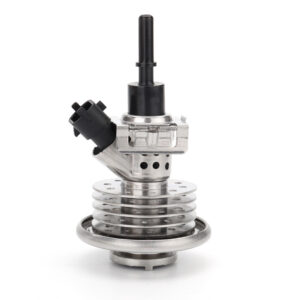
Diesel Exhaust Fluid (DEF) injectors are essential for the operation of modern diesel engines equipped with Selective Catalytic Reduction (SCR) systems. Their primary function is to inject DEF into the exhaust stream, allowing it to react with harmful nitrogen oxides (NOx) and convert them into harmless nitrogen and water vapor. This vital process ensures compliance with stringent emissions regulations, making DEF injectors integral to both performance and environmental standards in diesel engines.
Well-functioning DEF injectors greatly aid in reducing emissions, ensuring vehicles run efficiently while complying with environmental guidelines. When DEF is atomized and injected at the appropriate time and quantity, it enhances the SCR system’s efficiency, promoting cleaner exhaust and better fuel economy.
However, DEF injectors can face problems over time, particularly due to contamination or clogging. Common issues associated with dirty or clogged DEF injectors include:
- Decreased engine power and performance
- Increased emissions, potentially leading to compliance failures
- Frequent error codes related to the SCR system
- Engine derate, which occurs when the engine reduces power to protect itself
To maintain optimal performance, vehicle owners should recognize signs that indicate a need for cleaning DEF injectors. Such signs may include:
- Poor acceleration or sluggish performance
- Warning lights on the dashboard
- Unusual exhaust odors or smoke
- Frequent DEF refills due to inefficient consumption
Regular maintenance and cleaning of DEF injectors are crucial for ensuring diesel engines operate at peak performance while minimizing harmful emissions.
Step-by-Step Cleaning Process for DEF Injectors
Cleaning DEF (Diesel Exhaust Fluid) injectors is imperative for sustaining optimal engine performance and conforming to emission regulations. In this section, we will detail the necessary tools and materials, provide a thorough step-by-step cleaning procedure, and emphasize vital safety precautions.
Necessary Tools and Materials:
- Safety goggles and gloves
- Wrench set
- Torque wrench
- Cleaning solvent specifically designed for DEF injectors
- Compression air source
- Soft brushes and lint-free cloths
- Container for cleaning fluid
- Shop vacuum or lint-free wipes for cleanup
Step-by-Step Cleaning Instructions:
- Preparation: Park the vehicle on a level surface, switch off the engine, and allow it to cool down completely.
- Safety First: Wear safety goggles and gloves to protect your eyes and skin from cleaning solvents.
- Access the Injectors: Use a wrench to remove any covers or components obstructing access to the DEF injectors.
- Disconnect the Injectors: Carefully disconnect the electrical connectors and fuel lines from the DEF injectors, taking note of their positions for reinstallation.
- Inspect the Injectors: Look for physical damage or debris. If significant buildup is present, soaking them in the cleaning solvent might be necessary.
- Clean the Injectors: With a soft brush, gently clean the exterior of the injectors. Apply the cleaning solvent to the nozzle and let it penetrate for a few minutes.
- Flush the Injectors: Connect the air compression source to blow out excess cleaning fluid from the injector nozzle, ensuring there are no clogs remaining.
- Reassemble: Reconnect the injectors, ensuring all connections are secure. Torque them to the manufacturer’s specifications.
- Final Check: Before starting the engine, double-check that all parts are properly reassembled and that no tools are left in the engine bay.
Safety Precautions: Always work in a well-ventilated area to avoid inhaling fumes. Follow all manufacturer instructions for handling DEF and associated chemicals.
By diligently following these steps, you can effectively clean your DEF injectors, enhancing both the efficiency and longevity of your diesel engine.
Troubleshooting Common DEF Injector Issues
Deficiencies in Diesel Exhaust Fluid (DEF) injector performance can lead to significant issues in diesel engines, impacting emissions control and overall efficiency. Understanding the symptoms of malfunctioning DEF injectors is essential for timely diagnosis and resolution. Below are common symptoms indicating a DEF injector issue, alongside diagnostic approaches and practical solutions.
- Symptoms of Malfunction:
- Check Engine Light (CEL) illuminated
- Reduced engine power or performance
- Increased nitrogen oxide (NOx) emissions
- Frequent regeneration cycles
- Unusual noises from the DEF injector area
To effectively diagnose DEF injector issues, follow these steps:
- Use a diagnostic scanner to retrieve any fault codes related to the DEF system.
- Inspect the DEF injector for physical damage, clogs, or leaks.
- Check the quality of the DEF fluid; contaminated or low-quality fluid can impact injector performance.
- Examine the electrical connections and wiring associated with the injector for any signs of wear or damage.
Common error codes related to DEF injectors include:
| Error Code | Description |
|---|---|
| P20E8 | DEF Injector Circuit Low |
| P205B | DEF Injector Performance |
| P206B | DEF Quality Sensor Range/Performance |
To resolve common DEF injector problems, consider the following solutions:
- Clean or replace the DEF injector if physical blockages are detected.
- Flush the DEF lines to eliminate any contamination.
- Ensure the correct DEF fluid type is in use; always follow OEM specifications.
- If electronic issues are suspected, repair or replace damaged wiring and connectors.
Addressing DEF injector issues promptly can avert extensive damage and ensure your diesel engine runs efficiently and within emissions standards.
Comparing DEF Injector Cleaning Products
Selecting the right cleaning product for DEF injectors is vital for maintaining diesel engine efficiency and longevity. With many options available, understanding the benefits and drawbacks of each can simplify your decision-making process. Below is an overview of popular DEF injector cleaning solutions on the market.
- Product A: This solvent-based solution effectively dissolves carbon deposits and enhances injector performance.
- Advantages: Highly effective for severe buildup; fast-acting formula.
- Disadvantages: May not suit all engine types; some users report residue issues.
- Product B: An eco-friendly alternative made from biodegradable ingredients.
- Advantages: Safe for the environment; gentle on injector components.
- Disadvantages: Less effective on heavy deposits; may require multiple applications.
- Product C: A proprietary formula claimed to enhance fuel efficiency while cleaning.
- Advantages: Improves overall engine performance; user-friendly application.
- Disadvantages: Higher price point; mixed user reviews on effectiveness.
User feedback and ratings can greatly inform your choice. Many users agree that Product A yields quick results for severe clogs, while Product B is preferred for routine maintenance due to its safety profile. Meanwhile, Product C receives mixed reviews, with some users noticing improvements while others remain skeptical of its effectiveness.
Ultimately, selecting the ideal DEF injector cleaning product should align with your specific cleaning needs and environmental considerations. Always consult user reviews and conduct thorough research to ensure you invest in the most effective solution for your diesel engine.
Maintenance Tips and Best Practices for DEF Injectors
Proper maintenance of DEF injectors is essential for the efficient operation of diesel engines, particularly those with selective catalytic reduction (SCR) systems. Effective maintenance not only prolongs injector life but also enhances engine performance and reduces emissions. To aid in this, here are important tips and best practices for DEF injector maintenance:
- Recommended Cleaning Frequency: It is recommended to clean DEF injectors every 5,000 to 10,000 miles, depending on driving conditions and diesel fuel quality. More frequent cleaning may be necessary in harsher environments or with lower-quality DEF.
- Best Maintenance Practices:
- Always use high-quality DEF that meets ISO 22241 standards to prevent crystallization and clogging in the injectors.
- Regularly check the DEF tank and lines for leaks or contaminants to maintain system efficiency.
- Keep the vehicle’s exhaust system free from excessive soot buildup, as this may affect DEF injector function.
- Implement a routine servicing schedule that includes a thorough inspection of the DEF system.
- Common Mistakes to Avoid:
- Neglecting to monitor DEF quality—always check for proper labeling on DEF containers.
- Using non-approved cleaning products that risk damaging injectors or SCR components.
- Ignoring dashboard warning lights related to the DEF system; prompt diagnostics can prevent bigger issues.
By adhering to these maintenance tips and best practices, diesel engine operators can reduce DEF injector problems, ensuring smoother operations and prolonging engine life.
Frequently Asked Questions (People Also Ask)
This section addresses common inquiries regarding DEF injector cleaning and maintenance, aiding you in optimizing performance for your diesel engine.
- How often should DEF injectors be cleaned?
Generally, it is advisable to clean DEF injectors every 50,000 to 100,000 miles, depending on engine usage and DEF fluid quality. Regular inspections can help determine the correct cleaning frequency. - What are the signs of a clogged DEF injector?
Common symptoms include poor engine performance, increased emissions, and warning lights on the dashboard. Reduced power or changed fuel efficiency may also indicate clogged injectors. - Can I clean DEF injectors myself or should I hire a professional?
While basic cleaning can be performed at home using specific products, hiring a professional is often recommended for thorough cleaning and diagnostics, especially for those inexperienced. - What are the most effective cleaning methods for DEF injectors?
Effective methods include specialized cleaning solutions, ultrasonic cleaning, and pressure flushing. These techniques effectively remove deposits without damaging the injectors. - What products should I avoid when cleaning DEF injectors?
Avoid abrasive materials and harsh chemicals that could damage injector components. Use only products specifically designed for DEF injector cleaning. - How do I know if my DEF injectors are functioning properly?
Signs of normal engine operation, such as stable RPMs and consistent fuel efficiency, indicate proper function. A diagnostic tool can provide additional insights into injector performance.