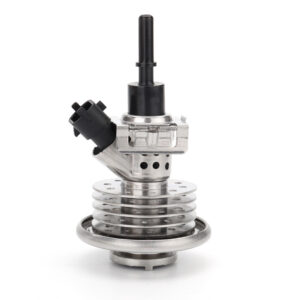
Understanding P20EE: Troubleshooting DEF Fluid Quality Issues
Causes of P20EE Error Code
The P20EE error code signifies an issue with Diesel Exhaust Fluid (DEF) quality, primarily impacting the Selective Catalytic Reduction (SCR) system. Recognizing the causes of this error is crucial for restoring engine performance and emissions control. The key factors contributing to the P20EE error code include:
- Contamination of DEF Fluid: DEF fluid can become tainted due to improper handling, such as using unauthorized containers or transferring from contaminated sources. Environmental factors, like dust or dirt entering the DEF tank, can also compromise fluid quality.
- Low DEF Fluid Levels: Inadequate DEF fluid can hinder the SCR system’s operation. If levels fall below the minimum threshold, the system may trigger a P20EE error, alerting the driver and leading to potential vehicle performance issues.
- Malfunction of DEF Quality Sensors: The SCR system depends on DEF quality sensors to monitor fluid composition. If these sensors fail or give inaccurate readings, the system may misinterpret DEF quality, resulting in a P20EE error.
- Effects of Poor-Quality DEF: Utilizing substandard DEF may increase emissions and diminish engine efficiency. Low-quality fluid can contain impurities that damage SCR components and prompt system failures.
Addressing these problems swiftly is essential for maintaining compliance with environmental regulations and avoiding costly repairs. Regular maintenance and cautious handling of DEF fluid are vital practices to prevent the occurrence of the P20EE error code.
Effective Troubleshooting Techniques for P20EE
Diagnosing DEF fluid quality issues associated with a P20EE fault code requires a systematic approach. Follow these actionable steps to ensure effective identification and resolution.
Begin by evaluating DEF fluid quality and levels. Use the following checklist to inspect the fluid:
- Color and Clarity: DEF should be a clear, colorless liquid. If the fluid appears yellow or cloudy, it may be contaminated.
- Level Check: Ensure that the DEF tank is adequately filled, as low levels can trigger the P20EE code.
- Smell Test: DEF should have a faint ammonia scent. A strong odor may indicate microbial contamination.
If you ascertain that the DEF fluid is of poor quality, move forward with cleaning or replacing the DEF quality sensor. To do this, follow these steps:
- Access the Sensor: Locate the DEF quality sensor, typically on the DEF dosing unit or tank.
- Cleaning: Carefully disconnect the sensor and clean it using an approved cleaning solution, ensuring it’s free of debris and buildup.
- Replacement: If cleaning does not resolve the problem, replace the sensor with a new unit in accordance with manufacturer specifications.
Lastly, maintaining DEF fluid integrity is critical for optimal system functionality. Adhere to these best practices:
- Storage: Store DEF in a cool, dry area, away from direct sunlight and heat sources.
- Handling: Use dedicated dispensing equipment to avoid contamination, and ensure the container is sealed when not in use.
- Regular Checks: Routinely monitor the condition of DEF in your equipment to prevent potential failures.
By employing these troubleshooting techniques, you can effectively resolve DEF fluid quality issues that lead to P20EE codes, ensuring the longevity and efficiency of your diesel emissions system.
Comparison of DEF Fluids on the Market
To effectively manage diesel exhaust fluid (DEF) quality, understanding the variations among available products is essential. Numerous brands offer high-quality DEF, each with distinct specifications, features, and performance ratings. Below is an overview of leading brands, their unique characteristics, and pricing structures.
| Brand | Key Features | Performance Ratings | Price per Gallon | Purchase Locations |
|---|---|---|---|---|
| BlueDEF | ISO 22241 compliant, non-hazardous | Class leading purity with rigorous testing | $2.50 | Auto parts stores, online retailers |
| Peak | Convenient packaging options, trusted reputation | Consistently high results in lab tests | $2.40 | Walmart, Amazon |
| Recochem | Environmentally safe, competitively priced | ISO certified with high compliance | $2.35 | Local distributors, online |
| Scepter | Innovative packaging for easy handling | Reliable performance in varying conditions | $2.45 | Home improvement stores, online |
When selecting a DEF fluid, ensure the product meets the required ISO 22241 standards to guarantee compatibility and efficiency in your diesel engines. Prices may fluctuate by region and supplier, so it’s advisable to compare for the best offers. Reliable purchase options include auto parts stores, major online retailers, and local distributors. Familiarizing yourself with these brands and their offerings can assist you in making informed decisions to maintain DEF quality and mitigate issues like the P20EE code.
Buying Guide for DEF Fluids and Related Components
Selecting the appropriate Diesel Exhaust Fluid (DEF) is vital for the efficient operation of Selective Catalytic Reduction (SCR) systems in diesel engines. Consider these key factors when making your selection:
- Brand Reputation: Opt for DEF from well-known manufacturers recognized for their quality and reliability. Brands with positive customer feedback typically provide better products.
- Certification Standards: Ensure that the DEF you choose complies with American Petroleum Institute (API) standards or ISO 22241. Look for certification labels on packaging to verify compliance.
- Formulation: DEF comes in pre-mixed solutions, but consider the formulation that aligns with your application and vehicle requirements. Certain systems may need a specific concentration for optimal performance.
When purchasing DEF fluid, select reputable suppliers that offer new, sealed containers to avoid contamination. Always conduct a visual check for clarity and the absence of impurities prior to purchase.
In addition to DEF fluid, consider additional components for SCR maintenance, such as:
- DEF dispensing equipment
- Storage tanks designed for DEF
- Filters for DEF lines to prevent contamination
Here’s a quick checklist of essential criteria for selecting DEF fluid:
- Meets API or ISO certification standards
- Purchased from reputable brands
- Quality packaging and handling
- Proper storage conditions
- Consideration of additional maintenance components
By following this guide, you can ensure the longevity and efficiency of your SCR systems while avoiding potential quality issues related to DEF fluid.
Frequently Asked Questions (People Also Ask)
Understanding the P20EE error code and its implications is essential for your vehicle’s performance. Below are some common inquiries regarding DEF fluid quality and management.
- What does the P20EE error code mean?The P20EE error code indicates a problem related to the Diesel Exhaust Fluid (DEF) quality, usually signaling that the system has detected contaminants or that the DEF does not meet specifications.
- How can I prevent P20EE errors in the future?To prevent P20EE errors, ensure that you use high-quality DEF fluid, store it correctly to avoid contamination, and regularly check your DEF levels and system for signs of leaks or impurities.
- What are the best brands of DEF fluid to use?Some of the best DEF fluid brands include Peak, BlueDEF, and Valvoline. Always choose products that meet API certification to guarantee quality and compliance.
- Can I drive my vehicle if the P20EE code appears?Driving with a P20EE code can lead to reduced engine performance and efficiency. It is advisable to address the issue promptly to prevent further complications.
- How do I clean the DEF injector?Cleaning the DEF injector involves using a specialized cleaner designed for DEF systems. It may be necessary to remove the injector for effective cleaning, so consulting a professional is recommended.
- What should I do if DEF fluid is contaminated?If DEF fluid is suspected of contamination, it should be drained and replaced with fresh, quality DEF fluid. Additionally, inspect the tank and delivery system for leaks or damage.