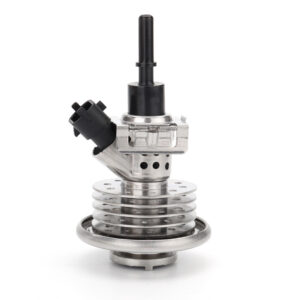
Comprehensive Guide to Cleaning Your DEF Injector System
Importance of Maintaining a Clean DEF System
The Diesel Exhaust Fluid (DEF) system plays a vital role in minimizing harmful emissions from diesel engines. By converting nitrogen oxides (NOx) into harmless nitrogen and water vapor, DEF enables vehicles to comply with stringent environmental regulations. However, the efficacy of this system relies heavily on its cleanliness and proper maintenance. Therefore, regular cleaning and upkeep of the DEF injector system are crucial for several reasons.
Firstly, a contaminated DEF system can lead to significant performance issues. Deposits and impurities may accumulate within the injector, causing blockages that disrupt the proper spray pattern of DEF into the exhaust stream. This not only diminishes the efficiency of the emissions reduction process but could also result in elevated NOx emissions, potentially incurring costly penalties and regulatory complications.
Moreover, a dirty DEF injector can negatively impact overall engine performance. When DEF is injected incorrectly, it can lead to engine derating, reducing power output and fuel efficiency. As a result, this can lead to a decline in productivity and higher operational costs, as the engine may struggle to perform optimally.
Maintaining a clean DEF injector system provides long-term benefits that extend beyond immediate performance. Regular cleaning can prolong the life of the injector and minimize repair frequency. Additionally, it can enhance fuel economy and reduce emissions, improving the overall sustainability of your operations.
In summary, investing in the maintenance of your DEF system is not only advantageous for the environment but also critical for the performance, longevity, and efficiency of your diesel engine. Proactive maintenance measures can safeguard your investment and ensure compliance with environmental standards.
Step-by-Step Guide to Cleaning Your DEF Injector System
Cleaning your Diesel Exhaust Fluid (DEF) injector system is essential for sustaining optimal performance and meeting emissions regulations. To achieve a thorough cleaning, adhere to these detailed steps.
Tools and Materials Required:
- DEF cleaning kit
- Compressed air source
- Protective gloves and goggles
- Flexible cleaning brush
- Rags or paper towels
- Bucket for collecting fluids
- Torque wrench
Preparing the DEF System for Cleaning:
Before starting, park the vehicle on a level surface and turn off the engine. Allow the system to cool completely to prevent burns. Moreover, disconnect the battery to avoid accidental activation and relieve the DEF system pressure by removing the DEF filler cap, ensuring a safe working environment.
Step-by-Step Cleaning Process:
- Remove the DEF injector: Utilize the appropriate tools to carefully detach the injector from the system.
- Inspect the injector: Examine for physical damage and the accumulation of deposits before cleaning.
- Use the cleaning kit: Adhere to the manufacturer’s instructions to apply the cleaning solution, allowing it to penetrate for the recommended duration.
- Brush lightly: Employ a flexible cleaning brush to gently scrub away any stubborn deposits, ensuring you do not scratch the surface.
- Rinse and dry: Use compressed air to blow out any remaining cleaning solution, then wipe with a clean rag.
- Reassemble the injector: Reinstall the DEF injector, ensuring all seals are intact, and secure it using a torque wrench to the specified settings.
Safety Precautions: Always wear protective gloves and goggles when handling cleaning solutions or compressed air. Additionally, ensure you are working in a well-ventilated area to avoid inhaling fumes.
Tips for Reassembling and Testing: After reassembling, double-check all connections for leaks. Start the vehicle and monitor the DEF system for any signs of malfunction. If issues persist, consult a professional technician.
Recognizing Signs of DEF Contamination
Identifying signs of DEF contamination is vital for maintaining your vehicle’s emissions system efficiency. Recognizing these indicators can help avert costly repairs and ensure adherence to environmental regulations. Below are common symptoms that may suggest contamination in your Diesel Exhaust Fluid (DEF) injector system:
- Cloudy or Discolored DEF Fluid: Fresh DEF should be clear to slightly blue. If you observe cloudiness, particles, or a different color, it may indicate contamination.
- Frequent Check Engine Light: A recurring check engine light, particularly one related to emissions, often signals an issue with the DEF system, possibly linked to contamination.
- Poor Engine Performance: If the vehicle experiences frequent stalling, sluggish acceleration, or difficulty starting, this could signify that the DEF system is not functioning correctly.
- Decreased Fuel Efficiency: A noticeable decrease in MPG can indicate a malfunction in the DEF system, as contaminated DEF may cause the engine to run inefficiently.
- Increased Exhaust Emissions: Black smoke or a strong odor from the exhaust can indicate that the DEF injector is not operating properly, often due to contamination. This could lead to exceeding emissions limits and facing regulatory penalties.
Taking timely action upon identifying any of these signs is crucial. Ignoring a contaminated DEF system can result in further damage, elevated repair costs, and potential fines. Therefore, regularly monitoring your DEF fluid quality and injector performance will help you maintain peak operational efficiency while complying with emissions standards.
| Symptom | Recommended Action |
|---|---|
| Cloudy or Discolored DEF | Replace DEF and inspect the tank. |
| Check Engine Light | Run diagnostics to pinpoint issues. |
| Poor Engine Performance | Check DEF and related systems. |
| Decreased Fuel Efficiency | Monitor DEF quality and perform maintenance. |
| Increased Exhaust Emissions | Inspect injector and clean as necessary. |
Choosing the Right DEF Cleaning Products
When maintaining your Diesel Exhaust Fluid (DEF) injector system efficiency, selecting the appropriate cleaning products is critical. To assist you in this process, here’s a breakdown of the types of DEF cleaning products available and essential features to consider when making your choice.
DEF cleaning products are generally categorized into two main types:
- Additives: Chemical solutions designed to dissolve contaminants, enhance fluid circulation, and improve overall DEF system performance.
- Cleaning Kits: Comprehensive sets of tools for thorough cleaning of the DEF injector system, often accompanied by detailed application guides.
When choosing a DEF cleaning product, consider the following key features:
- Safety: Look for products that are non-toxic and safe for both your vehicle’s components and the environment.
- Efficacy: Opt for products with proven effectiveness, ideally backed by customer testimonials or independent testing results.
- Compatibility: Ensure the product is suitable for your specific DEF system to avoid potential damage or inefficiencies.
Based on user reviews and industry standards, here are some recommended brands that stand out:
- BlueDef: Renowned for high-quality DEF solutions, BlueDef also offers a variety of cleaning additives.
- Power Service: Known for its effective cleaning kits, it incorporates technologies that help dissolve deposits.
- Diesel RX: This brand emphasizes safety and efficiency, making it a preferred choice among technicians.
By carefully evaluating your options and considering these factors, you can ensure that your DEF injector system remains clean and operates at peak performance.
Buying Guide for DEF Cleaning Tools and Solutions
To maintain the efficiency of your diesel exhaust fluid (DEF) injector system, possessing the right cleaning tools and solutions is crucial. This buying guide will assist you in making informed decisions when purchasing the necessary supplies.
Here are the essential tools and equipment required for effective DEF cleaning:
- DEF Cleaning Kit: Seek kits that include specialized brushes, cleaning agents, and protective gear.
- Compressed Air Blower: Useful for blowing out dirt and debris from hard-to-reach areas within the injector system.
- Ultrasonic Cleaner: If budget allows, this tool provides deeper cleaning by utilizing sound waves to agitate a fluid and eliminate contaminants.
- Protective Gear: Always invest in gloves and eye protection to guarantee safety when handling cleaning agents.
When selecting quality products and supplies, consider the following best practices:
- Brand Reputation: Choose well-known brands with positive reviews, as they often offer more reliable and effective products.
- Effectiveness: Focus on cleaning solutions specifically formulated for DEF systems to ensure compatibility and optimal performance.
- Cost: While opting for the cheapest option may be tempting, remember that investing in higher-quality tools can save you money in the long run by preventing damage and enhancing performance.
Here’s a quick checklist for purchasing tools and products for DEF cleaning:
- Check if the product is compatible with your DEF system.
- Read customer reviews and testimonials.
- Compare prices from different retailers.
- Ensure the supplier offers a return policy in case the product does not meet expectations.
By adhering to these guidelines, you can choose the right DEF cleaning tools and solutions, thus enhancing the longevity and performance of your injector system.
Frequently Asked Questions (People Also Ask)
Cleaning your DEF (Diesel Exhaust Fluid) injector system is essential for sustaining the efficiency and performance of your diesel engine. Below are some commonly asked questions that address key concerns regarding DEF injector maintenance.
- How often should I clean my DEF injector system? Regular maintenance is recommended every 5,000 to 10,000 miles, or as specified in your vehicle’s manufacturer guidelines. This ensures optimal performance and prevents buildup that could lead to costly repairs.
- What are the risks associated with using contaminated DEF? Utilizing contaminated DEF can result in clogging and damage within the injector system, leading to diminished engine performance, increased emissions, and potentially necessitating extensive repairs.
- Can I clean the DEF system myself, or should I hire a professional? While some minor maintenance tasks can be performed at home, it is generally advisable to hire a professional for a thorough cleaning. They possess specialized tools and expertise to ensure the job is performed correctly without harming the system.
- What are the signs that my DEF injector needs maintenance? Common signs include reduced fuel efficiency, heightened noxious emissions, dashboard warning lights, and unusual engine noises. If you notice any of these, it may be time for a closer inspection of your DEF system.
- Is it safe to use homemade cleaning solutions? It is not recommended to utilize homemade cleaning solutions as they may contain harsh chemicals that could damage the DEF injector system’s sensitive components. Stick to manufacturer-approved products to ensure safety and effectiveness.
By addressing these questions, you can better comprehend the significance of maintaining your DEF injector system. Regular checks and timely cleaning will improve your vehicle’s performance and lifespan.