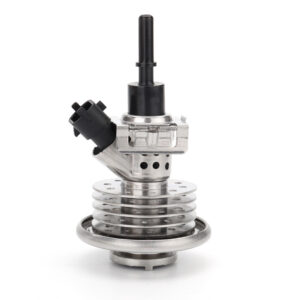
Essential Guide to Semi-Truck DEF Doser Maintenance and Troubleshooting
Understanding DEF Doser Systems
Diesel Exhaust Fluid (DEF) dosers play a pivotal role in modern semi-truck emissions systems by effectively reducing harmful nitrogen oxide (NOx) emissions generated during diesel combustion. These dosers skillfully inject DEF into the exhaust stream, facilitating a reaction with NOx within the Selective Catalytic Reduction (SCR) system, which converts these harmful gases into harmless nitrogen and water vapor. This process not only complies with strict environmental regulations but also optimizes engine performance.
The primary components of a DEF doser system include:
- DEF Injector: This essential component atomizes the DEF solution into the exhaust gas stream, ensuring optimal mixing and chemical reaction.
- Control Module: The electronic control unit monitors engine conditions and manages the DEF injection to maintain effective emission reduction.
- Temperature Sensors: These sensors monitor the temperatures of both the DEF and exhaust to ensure the fluid operates within safe limits, as DEF can degrade at elevated temperatures.
- DEF Tank Level Sensor: This device monitors the DEF fluid levels, notifying the driver when it’s necessary to refill the tank.
Proper maintenance of the DEF doser system is crucial for ensuring compliance with emissions standards and optimizing vehicle performance. An efficiently functioning doser reduces exhaust emissions, which correlates with improved fuel efficiency and decreases long-term operational costs associated with excessive emissions. Regular checks and maintenance of DEF doser components help avoid costly repairs, ensure compliance with environmental regulations, and extend the lifespan of both the engine and the SCR system.
Routine Maintenance Procedures for DEF Dosers
To guarantee optimal performance of your Diesel Exhaust Fluid (DEF) doser, routine maintenance is vital. Adhering to a systematic maintenance schedule can help avert failures and costly repairs. Below are essential tasks and schedules for effectively maintaining DEF dosers.
Step-by-Step Maintenance Tasks:
- Visual Inspection: Conduct a comprehensive visual check of the DEF doser each month, looking for signs of leaks, damage, or corrosion.
- Wiring and Connections: Inspect all wiring and electrical connections for fraying or corrosion and clean contacts if needed to maintain electrical flow.
- Filter Cleaning: Clean or replace the DEF doser filter every 3,000 to 5,000 miles to prevent clogs that could impair fluid flow and dosing accuracy.
- Fluid Level Check: Regularly verify the DEF fluid level and top off as necessary, as low levels can hinder system operation.
- Calibration Check: Perform a semi-annual calibration check to ensure the doser is injecting the correct amount of DEF into the exhaust stream.
Recommended Maintenance Schedule:
- Monthly: Visual inspection, fluid level check.
- Every 3,000 to 5,000 miles: Filter cleaning/replacement, wiring inspection.
- Semi-Annually: Calibration check of the DEF doser.
Signs of a Failing DEF Doser: Be alert for symptoms such as unusual engine performance, increased exhaust emissions, or dashboard warning lights associated with the emissions system. If these signs arise, it is advisable to conduct a thorough inspection and consult a professional technician for accurate diagnostics.
By implementing these maintenance procedures and being proactive about potential issues, you can significantly enhance the longevity and efficiency of your DEF doser.
Troubleshooting Common DEF Doser Issues
Identifying common symptoms and understanding troubleshooting steps for DEF doser issues can prevent larger problems in the future. Here are some frequently observed problems, accompanied by practical guidance for diagnostics and solutions.
- Common Symptoms Indicating DEF Doser Issues:
- Reduced Engine Performance: A significant decrease in power may indicate DEF doser malfunctions.
- Check Engine Light: The activation of error codes related to the aftertreatment system may signal a DEF issue.
- Inconsistent DEF Flow: Irregular dosing can lead to elevated emissions and inefficient engine operation.
Practical Troubleshooting Steps:
- Check for Clogs: Inspect the DEF lines and doser for contaminants. Cleaning or replacing blocked components may resolve flow issues.
- Monitor Error Codes: Use your truck’s onboard diagnostic system to retrieve and analyze error codes linked to the DEF system.
- Inspect Electrical Connections: Ensure that all wiring and connectors leading to the doser are secure and free from corrosion.
When to Seek Professional Maintenance:
If issues persist after initial troubleshooting, consulting a professional technician is essential. Signs that warrant professional attention include repeated activation of error codes, failure to clear error messages, or any visible damage to the doser unit.
Regular maintenance of your DEF doser not only prolongs its lifespan but also ensures compliance with emission standards, thereby enhancing your semi-truck’s overall performance.
Comparison of DEF Doser Maintenance Products
Proper maintenance of your DEF doser is vital for ensuring peak performance and compliance with emissions regulations. Here we compare several top-rated maintenance products engineered for DEF dosers, including cleaning solutions and necessary tools.
| Product Name | Description | Pros | Cons | User Rating |
|---|---|---|---|---|
| DEF Doser Cleaner A | A concentrated formulation for effective cleaning. |
|
|
4.5/5 (Amazon) |
| Doser Maintenance Tool Kit | Comprehensive tool kit for thorough maintenance. |
|
|
4.7/5 (eBay) |
| Injector Cleaner Solution | A fluid specifically for injector cleaning. |
|
|
4.2/5 (Fleet Equipment) |
Evaluating these products based on their pros, cons, and user ratings will help you determine which maintenance solution best suits your DEF doser needs. Regular maintenance utilizing the right products significantly enhances the longevity and effectiveness of your dosing system.
Buying Guide for DEF Doser Maintenance Products
Selecting the appropriate maintenance products for your DEF (Diesel Exhaust Fluid) doser system is essential to ensure optimal performance and longevity. Consider the following crucial factors while making your purchase:
- Compatibility: Ensure that the products you choose are compatible with your specific make and model of DEF doser systems.
- Quality: Opt for high-quality materials that can withstand the rigors of heavy-duty use. Products built with durable components are less likely to fail prematurely.
- Type of Product: Different maintenance tools serve various purposes. Identify whether you need cleaning solutions, replacement parts, or diagnostic tools, and select accordingly.
- Ease of Use: Consider user-friendly products, particularly if your operators are not highly trained technicians.
- Manufacturer Support: Reputable brands often provide superior customer support and warranties, saving you time and money in the long run.
Cost considerations are a significant aspect of your purchasing decision. While opting for the cheapest options is tempting, investing in quality products is often a better choice. Low-cost products may lead to higher long-term expenses if they fail and require frequent replacement or cause further system damage. Aim for a balance between cost and quality to ensure reliable operation.
Consider reputable brands and suppliers such as:
- Dieselase
- BlueDEF
- Watts
- John Deere
In conclusion, evaluating these factors will enable you to make informed decisions when purchasing DEF doser maintenance products. A comprehensive checklist can also facilitate the process:
- Check compatibility with your DEF doser.
- Evaluate product quality.
- Identify specific maintenance needs.
- Assess ease of use and manufacturer support.
- Consider overall cost versus quality.
By adhering to these guidelines, you can ensure that your DEF doser operates efficiently, improving your semi-truck’s performance while adhering to emission standards.
Frequently Asked Questions
Maintaining the Diesel Exhaust Fluid (DEF) doser is vital for the reliable performance of your semi-truck’s emission control system. Here are some common queries related to DEF doser maintenance:
- What are common problems with DEF dosers? DEF dosers may experience issues such as clogging from impurities in the DEF, malfunctioning sensors, and leaks from worn-out seals or damaged lines. These problems can lead to decreased performance and engine fault codes.
- How often should DEF dosers be maintained? It is advisable to conduct DEF doser maintenance every 10,000 miles or during regular truck servicing. Frequent checks can help catch early signs of wear or damage and prevent more extensive repairs in the future.
- Can I clean my DEF doser myself? While minor cleaning tasks can be done by truck owners, such as removing debris from external parts, any internal cleaning or repairs should be left to a qualified technician to avoid damaging sensitive components.
- What are the signs that my DEF doser needs servicing? Be on the lookout for warning lights on the dashboard, reduced engine power, unusual exhaust odors, or visible fluid leaks around the doser. Should any of these symptoms occur, schedule a professional inspection promptly.
- How do I choose the right maintenance products for my DEF system? Select maintenance products specifically designed for DEF systems, ensuring they are compatible with your truck make and model. Always refer to the manufacturer’s recommendations regarding fluid type and additives.