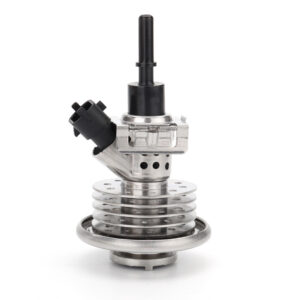
The Complete Guide to Diesel Exhaust Fluid (DEF): Understanding, Usage, and Maintenance
Understanding Diesel Exhaust Fluid (DEF)
Diesel Exhaust Fluid (DEF) is a crucial element in modern diesel engine technology, especially in vehicles that adhere to the strict emissions standards established by the Environmental Protection Agency (EPA) and other regulatory authorities. DEF is a clear, non-toxic liquid that plays an essential role in reducing nitrogen oxide (NOx) emissions generated during combustion.
DEF consists of a straightforward yet effective composition:
- 32.5% high-purity urea
- 67.5% deionized water
The urea component serves as a reducing agent when injected into the exhaust system, where it reacts with NOx emissions through a process known as Selective Catalytic Reduction (SCR). This reaction transforms harmful nitrogen oxides into harmless nitrogen and water vapor, significantly reducing diesel engine emissions.
The advantages of utilizing DEF encompass several aspects:
- Emission Reduction: DEF aids vehicles in meeting regulatory emissions standards, contributing to better air quality.
- Engine Performance: By optimizing combustion, DEF enhances the overall performance and efficiency of diesel engines.
- Cost-Efficiency: Using DEF can prolong engine life and decrease maintenance expenses by minimizing harmful deposits accumulation.
In conclusion, Diesel Exhaust Fluid is vital for enabling modern diesel engines to operate more cleanly and efficiently, playing a significant role in environmental conservation and compliance with emissions regulations.
How Diesel Exhaust Fluid Works in a Diesel Engine
Following the exploration of DEF’s composition and benefits, it’s essential to grasp how Diesel Exhaust Fluid (DEF) works in collaboration with diesel engines to diminish nitrogen oxide (NOx) emissions through the Selective Catalytic Reduction (SCR) process. This technology is crucial for meeting stringent environmental regulations aimed at improving air quality.
The SCR process occurs when DEF, composed of 32.5% high-purity urea and 67.5% deionized water, is injected into the diesel engine’s exhaust stream after combustion and before the gases exit through the exhaust system. The interaction between DEF and the heated exhaust gases triggers a series of chemical reactions:
- As the DEF vaporizes, it converts into ammonia (NH3) when heated.
- The ammonia reacts with nitrogen oxides in the presence of a catalyst, typically made from metals such as platinum or palladium.
- This reaction converts harmful NOx emissions into harmless nitrogen (N2) and water (H2O), significantly reducing pollution from diesel engines.
The significance of DEF is profound. As global regulations tighten, the SCR technology enabled by DEF ensures that diesel engines comply with these standards. Without proper DEF usage, vehicles could emit higher levels of NOx and risk penalties or operational failures. Thus, maintaining an adequate DEF supply is crucial not only for environmental compliance but also for optimal engine performance.
Environmental and Engine Benefits of Using DEF
Continuing the discussion on DEF, it provides substantial environmental and engine performance benefits, making it an indispensable element of modern diesel engines. With increasing regulatory pressure on emissions, adopting DEF has become a strategic necessity for manufacturers and operators seeking to enhance sustainability and efficiency.
A primary benefit of using DEF is its favorable influence on air quality. When used in conjunction with Selective Catalytic Reduction (SCR) systems, DEF reduces nitrogen oxide (NOx) emissions by transforming harmful NOx into benign nitrogen and water vapor. This process can lower NOx emissions by as much as 90%, resulting in cleaner air and a reduction in overall greenhouse gas emissions.
Regarding engine efficiency, DEF bolsters performance and fuel economy. SCR technology facilitates higher combustion temperatures, which enhances engine output without sacrificing efficiency. Consequently, operators can enjoy fuel savings and prolong the lifespan of engine components due to diminished soot buildup and particulate matter.
DEF also ensures adherence to Environmental Protection Agency (EPA) regulations and other emissions laws. Numerous jurisdictions require compliance with stringent emissions standards, and utilizing DEF can help fleets avoid costly fines and maintain operational licenses. Such compliance is essential not only for legal purposes but also enhances a company’s reputation as an environmentally responsible organization.
| Emissions Type | Before Using DEF | After Using DEF |
|---|---|---|
| Nitrogen Oxides (NOx) | Up to 2000 mg/km | As low as 200 mg/km |
| Particulate Matter (PM) | Up to 100 mg/km | Below 10 mg/km |
Therefore, Diesel Exhaust Fluid is pivotal in enhancing air quality and promoting fuel efficiency while aiding regulatory compliance. By investing in DEF, operators and fleet managers can reap significant benefits for both the environment and engine performance.
Choosing the Right DEF Fluid for Your Vehicle
After discussing DEF’s benefits, it’s equally crucial to know how to select the right Diesel Exhaust Fluid (DEF) for your vehicle, vital for optimal performance and adherence to emissions standards. Consider the following factors to make an informed selection:
- Purity Standards: DEF must comply with the ISO 22241 standard for purity, ensuring a composition of at least 32.5% urea and 67.5% deionized water. Using non-compliant DEF can lead to engine damage and inefficiency.
- Certifications: Choose DEF products that have certifications from reputable organizations. Labels indicating compliance with OEM specifications are important as they confirm the fluid’s suitability for your vehicle make and model.
- Reliable Brands: Opt for DEF from trusted manufacturers. Established brands assure product quality and provide reliability in performance across different batches.
- Common Misconceptions: A common misconception is that all DEF is the same; however, quality can vary significantly between brands. Lower-cost options may contain impurities that can damage your engine or the Selective Catalytic Reduction (SCR) system.
To simplify your DEF purchasing experience, use this checklist when selecting the fluid:
- Ensure the DEF meets ISO 22241 standards.
- Check for certifications from recognized organizations.
- Research and select products from reputable brands.
- Avoid low-cost options lacking adequate quality and sourcing information.
By being diligent in your DEF selection, you can maintain your diesel engine’s efficiency while ensuring compliance with environmental regulations.
Proper Storage and Handling of DEF
Besides proper selection, the effective use of Diesel Exhaust Fluid (DEF) relies heavily on its storage and handling, which are essential for maintaining its efficacy and longevity. Incorrect storage can lead to DEF deterioration, impairing its ability to effectively reduce emissions. Here are key considerations:
- Recommended Storage Conditions: DEF should be kept in a clean, dry, and well-ventilated environment. Optimal temperatures range from 12°F to 86°F (-11°C to 30°C). Extreme heat can hasten breakdown, while freezing conditions, although not detrimental to the fluid itself, can cause spillage and ease of use issues. It is also critical to protect DEF from direct sunlight since UV exposure can degrade its quality over time.
- Safe Refilling Practices: Ensure that dispensing equipment is clean to prevent contamination when refilling DEF tanks. Use dedicated containers for DEF and avoid mixing it with other fluids. Additionally, employ a funnel or adapter specifically designed for DEF to minimize spills and maintain cleanliness during handling.
- Shelf Life and Signs of Deterioration: DEF has an approximate shelf life of 12 months when kept under optimal conditions. After this duration, it may begin breaking down. Indicators of deterioration include discoloration, particulate presence, and an ammonia odor. If you observe any of these changes, it’s best to dispose of the fluid safely and replenish your supply.
For best practices in maintaining your DEF, here’s a quick checklist:
- Store DEF at recommended temperatures and shield it from sunlight.
- Use clean, dedicated containers for both storage and refilling.
- Regularly check DEF for signs of deterioration.
- Maintain adequate inventory to prevent using expired DEF.
By adhering to these guidelines, you can ensure that your DEF remains effective and reliable, contributing to optimal engine performance and emissions control.
Troubleshooting Common DEF Issues
As we address potential challenges, it’s important to recognize that while Diesel Exhaust Fluid (DEF) is crucial for minimizing nitrogen oxide emissions in diesel engines, several common issues may arise that could hinder its effectiveness. Understanding these issues, their signs, and preventive measures can aid in maintaining engine performance and longevity.
A frequent problem is DEF crystallization, which occurs when the fluid is subjected to low temperatures or improper storage, leading to solid deposits forming in the tank, lines, or injectors. DEF contamination is another concern, often caused by using non-DEF compliant fluids or exposure to dirt and debris, potentially resulting in engine malfunctions and damage to the Selective Catalytic Reduction (SCR) system.
Signs of DEF-related complications include:
- Warning lights illuminated on the dashboard indicating DEF issues.
- Decreased engine performance or power loss.
- Unusual odors emanating from the DEF system.
- Visible crystallization or residue near the DEF fill neck or tank.
To avert DEF-related engine problems, adopt these practices:
- Store DEF in a cool, dark location, ideally between 12°F and 86°F (-11°C to 30°C).
- Utilize DEF within its specified shelf life (usually around 12 months) to avoid deterioration.
- Refill DEF exclusively using certified containers to prevent contamination.
- Regularly inspect for crystallization and clean any residues as required.
By being observant for these issues and following proper DEF handling and maintenance, you can significantly enhance the performance and reliability of your diesel machinery.
Frequently Asked Questions About DEF
To further clarify the function of DEF, it’s essential to address common inquiries surrounding Diesel Exhaust Fluid (DEF), an indispensable component for modern diesel engines, particularly in meeting stringent emissions regulations. Understanding these questions assists in optimizing DEF usage and maintenance. Here are some frequently asked questions:
- What happens if I run out of DEF? Running out of DEF can lead to engine performance issues, such as reduced power and limited vehicle operation. Most DEF-equipped vehicles will sound warning alerts when the fluid is low, potentially triggering an automatic engine shutdown if not replenished.
- Can DEF fluid freeze, and how to prevent it? Yes, DEF can freeze at temperatures below 12°F (-11°C). To avoid freezing, store DEF in a climate-controlled setting. If it does freeze, the fluid can be safely thawed at room temperature without losing its effectiveness.
- Is it safe to store DEF in different containers? To maintain DEF integrity, it’s advisable to store it in original containers specifically designed for DEF. Other containers may prove incompatible and could contaminate the fluid, jeopardizing engine performance.
- How often should I refill my DEF tank? The frequency of DEF tank refills depends on vehicle usage and tank size. Typically, DEF may need replenishing every three to four diesel refuels, but it is wise to monitor DEF levels regularly.
- Can I make my own Diesel Exhaust Fluid? It is not advisable to create your own DEF. DEF requires a precise chemical composition—32.5% urea and 67.5% deionized water. Incorrect mixtures or impure components can damage your vehicle’s SCR system and void warranties.