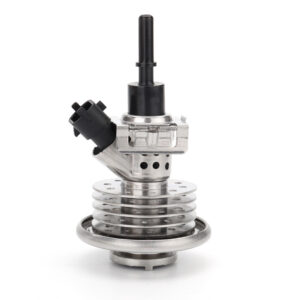
How Far Can You Drive With DEF Light On? Complete Guide
Understanding the DEF System
Diesel Exhaust Fluid (DEF) is vital in the emissions control systems of modern diesel engines, especially those meeting strict environmental regulations. DEF is a non-toxic solution made up of 32.5% urea and 67.5% deionized water, designed to reduce nitrogen oxide (NOx) emissions from combustion.
Central to DEF’s effective use is the Selective Catalytic Reduction (SCR) system. This system works by injecting DEF into the exhaust stream of a diesel engine, where it vaporizes and breaks down into ammonia. The ammonia then reacts with harmful NOx gases in the presence of a catalyst, converting them into harmless nitrogen and water vapor.
The significance of DEF in lowering harmful emissions cannot be overstated. With increasing environmental awareness and stricter regulations, diesel engines equipped with SCR technology and DEF are essential for meeting standards like EPA Tier 4 and Euro 6. By effectively reducing NOx emissions, the DEF system enables manufacturers to comply with legal requirements and contributes to better air quality and public health.
For drivers, comprehending the DEF system is crucial, as running low on DEF can lead to various operational issues. Most vehicles equipped with SCR technology have a DEF warning light on the dashboard; these alerts should not be ignored, as they signal the need for a DEF refill to maintain optimal engine performance and emissions compliance.
In summary, the DEF system, which includes Diesel Exhaust Fluid and SCR technology, is essential for modern diesel engines as it significantly reduces harmful emissions and ensures that these vehicles adhere to environmental standards. Thus, maintaining an adequate supply of DEF is critical for effective emissions control and vehicle functionality.
Common Reasons for the DEF Light Activation
The DEF (Diesel Exhaust Fluid) warning light on your vehicle’s dashboard is an essential alert for drivers, indicating issues affecting the vehicle’s emissions system. Recognizing the common reasons for its activation can help prevent operational problems and ensure compliance with environmental regulations.
- Low DEF Fluid Levels: The most prevalent reason for the DEF light to turn on is low fluid levels. When the fluid dips below a certain threshold, the system activates a warning to signal a refill. Regular DEF reservoir checks can help prevent this issue.
- Contaminated or Low-Quality DEF Fluid: Using DEF that doesn’t meet required specifications can cause system malfunctions. Contaminated fluid may clog injectors and lead to further complications. Always acquire DEF from reputable suppliers to ensure quality.
- Malfunctioning Sensors or Injectors: The DEF system depends on precise sensors to monitor fluid levels and quality. If these sensors fail or if the injectors become blocked, the light may activate. Routine maintenance checks can catch these issues before they worsen.
- Environmental Impacts on DEF Function: Extreme temperatures, whether excessively high or low, can impair the fluid’s performance. DEF should be stored within specific temperature ranges to ensure effectiveness and prevent crystallization.
For optimal DEF functionality, consider the following checklist:
- Regularly inspect DEF fluid levels.
- Verify the quality and source of DEF.
- Monitor ambient temperatures affecting the vehicle.
- Maintain a service schedule to check sensor and injector performance.
By paying attention to these factors, drivers can reduce the chances of DEF light activation and effectively maintain their vehicle’s emissions systems.
How to Respond When the DEF Light Goes On
When the DEF (Diesel Exhaust Fluid) light activates, it signals the need for action to avoid performance issues and potential damage to your vehicle’s emissions system. Here are some actionable steps to follow:
- Immediate Checks: Start by checking the DEF fluid level in your reservoir. Ensure you have the correct type of DEF and inspect its quality; it should be clear and free from contamination. Also, check for any visible leaks around the DEF tank and connecting lines.
- Temporary Driving Recommendations: If the DEF fluid is low but the light is illuminated, you can drive a limited distance while seeking to replenish the fluid. However, be aware that driving with low DEF can result in decreased engine performance and may eventually activate a full engine shutdown or limited power mode.
- Professional Help: If you’ve checked the fluid level and quality and the light persists, or if you identify leaks, consult a professional mechanic immediately. Continuing to drive without resolving the issue could lead to substantial repair costs and potential legal repercussions due to emissions violations.
Using a flowchart can clarify the decision-making process after the DEF light activates. For instance, if the fluid is low, refill it; if there’s a leak, seek assistance; and if no other issues occur but the light remains illuminated, monitor the situation while planning a visit to a mechanic. Remember, timely action can save you time and money.
Potential Risks of Ignoring the DEF Light
Disregarding the Diesel Exhaust Fluid (DEF) warning light can result in various serious issues affecting both your vehicle’s performance and your finances. Recognizing these risks is essential for any diesel vehicle owner to ensure engine longevity and efficiency.
- Decreased Engine Performance and Fuel Efficiency: When the DEF light is on, it indicates that fluid levels are low, leading to suboptimal combustion processes. This shortage can cause reduced power output and a noticeable drop in fuel economy, ultimately increasing your operational expenses.
- Risk of Entering Limp Mode: Ignoring the DEF warning can cause your vehicle to enter limp mode, a protective feature designed to limit engine performance to prevent further damage. This mode restricts speed and power, making it unsafe and impractical for daily use.
- Long-term Engine Damage and Repair Costs: Long-term neglect of the DEF light can lead to severe engine issues, including permanent damage to components like the selective catalytic reduction (SCR) system. Repair costs can escalate quickly, often surpassing thousands of dollars.
Considering these potential risks, it’s evident that prompt attention to the DEF light is crucial. By refilling your DEF quickly, you can avoid numerous performance issues and costly repairs, ensuring your diesel vehicle operates efficiently and reliably.
Buying Guide for DEF Maintenance and Products
Maintaining the quality of Diesel Exhaust Fluid (DEF) is essential for optimal performance and compliance with emission standards. Here’s a comprehensive guide to selecting and maintaining DEF products.
When purchasing DEF, quality and compatibility are critical. Look for DEF that meets the ISO 22241 standard, which ensures purity and correct urea concentration. Avoid unknown brands as they may contain impurities harming your vehicle’s SCR system.
Here are some recommended brands that consistently meet high standards:
- BlueDEF: Renowned for its purity and reliability across various vehicle applications.
- PEAK: Provides a range of DEF products with excellent quality assurance.
- Valvoline: Offers DEF that adheres to all emissions regulations.
To ensure your DEF remains effective, adhere to these best practices for storage and handling:
- Store DEF in a cool, dark location at temperatures between 12°F and 86°F (-11°C and 30°C) to prevent degradation.
- Use containers explicitly designed for DEF; these materials resist chemicals and help avoid contamination.
- Keep the container sealed when not in use to avoid exposure to moisture and impurities.
For effective maintenance, consider keeping a checklist for purchasing DEF products and essential maintenance tools:
- ISO 22241 certification for DEF.
- Sealed containers for storage.
- Spill containment products for safe handling.
- Quality assurance information from the supplier.
By adhering to these guidelines, you can effectively meet your DEF needs, contributing to a longer lifespan for your vehicle’s emission system.
Frequently Asked Questions (People Also Ask)
Understanding the nuances of the Diesel Exhaust Fluid (DEF) system is vital for maintaining your vehicle’s performance and compliance. Here are some frequently asked questions about the DEF light and its implications:
- Can you drive with the DEF light on?
Although technically possible, driving with the DEF light on is inadvisable. The illumination indicates a low DEF level, and continued driving may lead to engine performance issues and potential “limp mode” restrictions. - How far can I go with a low DEF level?
The distance you can drive with the DEF light on depends on the vehicle model, but typically, you may manage around 50 to 100 miles before the vehicle enters restricted operation mode. - What happens if I don’t address DEF issues?
Neglecting DEF issues will lead to increased emissions, potential fines for non-compliance, and your vehicle could experience reduced power or complete shutdown until the DEF system is serviced. - How to tell if my DEF fluid is contaminated?
Signs of DEF contamination include a cloudy appearance, sediment at the bottom of the container, or a sharp, unpleasant odor. If you suspect contamination, replacing the DEF immediately is crucial. - What should I do if my DEF system fails?
If your DEF system fails, consult a qualified technician. They can diagnose the issue, replace any faulty components, and ensure that your vehicle operates within legal emissions standards.