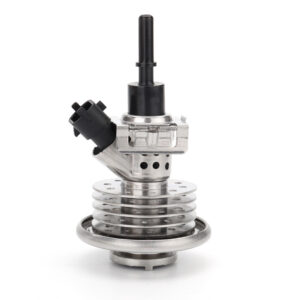
Comprehensive Guide to Low DEF Pressure Troubleshooting
Understanding Diesel Exhaust Fluid (DEF) and Its Role
Diesel Exhaust Fluid (DEF) plays an essential role in modern diesel engines, specifically aimed at reducing harmful emissions. It is a clear, non-toxic solution made up of 32.5% urea and 67.5% deionized water. The main purpose of DEF is to support the Selective Catalytic Reduction (SCR) process, significantly cutting down nitrogen oxide (NOx) emissions from diesel exhaust.
In SCR systems, DEF is injected into the exhaust stream, where it reacts with NOx gases in the presence of a catalyst. This reaction converts NOx into nitrogen and water vapor, which are harmless and can be expelled from the vehicle. The efficiency of this process is crucial for meeting strict environmental regulations and ensuring the engine runs cleanly and efficiently.
Maintaining appropriate DEF pressure is vital for optimal engine performance. Low DEF pressure may result in incomplete reactions during the SCR process, leading to increased NOx emissions and diminishing engine efficiency. Regular monitoring and timely replenishment of DEF not only ensure environmental compliance but also extend the overall lifespan and reliability of the diesel engine.
Therefore, understanding the integration of DEF systems within diesel engines is essential for troubleshooting issues related to low DEF pressure. A well-functioning DEF system aids in meeting environmental standards and safeguards the integrity of the engine’s SCR components.
Common Symptoms of Low DEF Pressure Issues
Identifying common symptoms associated with low Diesel Exhaust Fluid (DEF) pressure is vital for maintaining optimal engine performance and complying with emissions regulations. Here are the key indicators that users should monitor:
- Engine Warning Lights: A yellow or red warning light on the dashboard may indicate DEF system problems, signaling that DEF pressure is low and needs immediate attention.
- Reduced Engine Efficiency: Vehicles may face a decline in fuel efficiency or power, which can manifest as sluggish acceleration or irregular engine performance, thereby affecting overall productivity.
- Decreased Range: Notable reductions in driving range may occur due to low DEF pressure, as the engine might limit performance to regulate emissions control.
- Visible Leaks: Inspecting the DEF tank and lines for visible leaks or cracks can offer immediate clues. Fluid puddles or dripping fluid signify serious pressure issues that require prompt repair.
Specific error codes may also appear in the vehicle’s diagnostic system to assist technicians in identifying DEF-related problems. Below is a table of common error codes associated with DEF system malfunctions:
| Error Code | Meaning |
|---|---|
| P20B9 | DEF Pressure Too Low |
| P203F | DEF Quality Issue |
| P204F | Exhaust Fluid Flow Issue |
| P205B | DEF System Performance |
In conclusion, being vigilant about these symptoms can aid in early detection and resolution of low DEF pressure issues. This proactive approach guarantees the longevity and reliability of your equipment.
Step-by-Step Troubleshooting for Low DEF Pressure
Diagnosing low DEF (Diesel Exhaust Fluid) pressure issues demands a systematic approach to ensure accurate identification and resolution of the problem. To effectively troubleshoot, follow these structured steps:
- Initial Checks:
- Start by inspecting the DEF tank to ensure that the fluid is at an adequate level, as low fluid can directly affect pressure.
- Examine the filler cap for visible damage or improper sealing, which could lead to contamination or pressure loss.
- Electrical Connections Inspection:
- Check all electrical connections starting from the DEF level sensor to confirm they are secure and free of corrosion.
- Inspect wiring for signs of wear, breaks, or loose terminals that might disrupt communication.
- Shoulder Valve Checks:
- Ensure the shoulder valve is operational and free from blockages, and verify its actuation under various conditions.
- If possible, test the valve manually to confirm correct operation without electronic influence.
- Pressure Level Testing:
- Use a pressure gauge to measure the DEF pressure; ensure the readings align with the manufacturer’s specifications.
- Compare the pressure results with standard operating parameters to identify discrepancies.
- Diagnosing Common Obstructions:
- Inspect the DEF lines for kinks, bends, or clogs that could impede fluid flow.
- Check for contamination in the DEF system, which may cause pump issues or blockages, and clean or replace components as necessary.
By following these detailed steps, you can successfully troubleshoot low DEF pressure issues and guarantee the proper functioning of your emissions system.
Essential Tools and Equipment for Testing DEF Pressure
To accurately diagnose and rectify issues concerning low diesel exhaust fluid (DEF) pressure, possessing the right tools and equipment is vital. Below are the essential diagnostic tools needed for effective pressure testing and system analysis.
- Pressure Gauges: A quality pressure gauge is essential for measuring DEF system pressure. Look for models capable of handling a pressure range from 0 to 100 psi. Recommended brands include Ashcroft and Wika.
- Multimeters: A digital multimeter is necessary for measuring electrical current, voltage, and resistance in the DEF system. The Fluke 117 and Klein Tools MM400 are highly regarded for their accuracy and reliability.
- Vacuum Pumps: A vacuum pump is useful for diagnosing leaks within the DEF system. Select a model with a minimum capacity of 3 CFM, such as the Robinair 15500.
- Leak Detection Solution: A bubble solution aids in identifying leaks in DEF hoses and fittings. Ensure it is safe for use with DEF materials.
When using these diagnostic tools, it is critical to adhere to safety precautions to ensure both personal safety and equipment protection. Always wear suitable personal protective equipment (PPE), including gloves and safety goggles, when handling chemicals and pressurized systems. Additionally, follow manufacturer instructions for each tool to avoid damage and guarantee accurate readings.
Understanding the specifications and proper use of each tool will enhance your DEF pressure testing effectiveness, leading to timely and accurate diagnoses of any issues present within the system.
Buying Guide for DEF Components and Tools
Selecting the right Diesel Exhaust Fluid (DEF) components and tools is crucial for maintaining efficient vehicle performance. Here are key considerations to assist you in your purchases:
- ISO Standards: Ensure that the DEF you select complies with ISO 22241 standards, which guarantees the fluid’s quality and adherence to stringent specifications for purity and concentration.
- Quality Assurance: Choose DEF from reputable manufacturers. Look for brands that provide detailed information about their sourcing and production processes and have a history of consistent quality.
- Compatibility: Verify that any components, such as pumps, injectors, and tubing, are compatible with your specific vehicle or equipment model. This helps prevent complications that might arise from using mismatched parts.
- Reliability of Suppliers: Opt for suppliers known for their reliability and customer support. A reliable supplier will assist you not only during the purchase but also in post-purchase services.
For reputable brands, consider well-known names like BlueDEF, PEAK, or CleanAir. These brands have demonstrated effectiveness and consistency within the industry.
Regarding maintenance, check if the components you are evaluating come with warranty options. A solid warranty can provide peace of mind and ensure protection against defects. Furthermore, keep meticulous maintenance records for your DEF systems, as these records not only help track performance but can also be beneficial during warranty claims.
Checklist for Buying DEF Parts and Tools:
- Confirm ISO 22241 compliance
- Research brand reputation
- Ensure compatibility with existing systems
- Review warranty and maintenance support options
By considering these factors, you can make informed decisions that enhance the efficiency and longevity of your DEF systems.
Frequently Asked Questions (People Also Ask)
Addressing common questions regarding low Diesel Exhaust Fluid (DEF) pressure can enhance understanding and maintenance of your DEF system. Here are some frequently asked questions:
- What are the consequences of low DEF pressure?Low DEF pressure can lead to insufficient SCR (Selective Catalytic Reduction) system performance, resulting in increased emissions, potential engine derating, and even vehicle shutdowns.
- How often should DEF be checked and refilled?DEF should be checked at least once a month, especially in vehicles utilizing SCR technology. It’s advisable to refill DEF when it reaches a quarter tank to avoid running out and encountering pressure issues.
- Can low DEF pressure cause engine damage?Yes, prolonged low DEF pressure can cause engine damage by overworking the exhaust treatment system and leading to improper SCR operation, resulting in costly repairs.
- How do I know if my DEF injector is failing?Signs of a failing DEF injector may include dashboard warning lights, poor engine performance, or increased emissions. Routine diagnostics can help confirm injector health.
- How can I maintain my DEF system?To maintain your DEF system, regularly check DEF levels, use high-quality DEF fluids, and promptly address any leaks or malfunctions. Clean the DEF injector and ensure the system is free of contaminants.