The Ultimate Guide to Diesel Exhaust Fluid (DEF): Everything You Need to Know
What is Diesel Exhaust Fluid (DEF)?
Diesel Exhaust Fluid (DEF) is a clear, non-toxic liquid containing 32.5% urea and 67.5% deionized water. This solution is essential for the operation of modern diesel engines, particularly those fitted with Selective Catalytic Reduction (SCR) technology. DEF helps minimize harmful nitrogen oxide (NOx) emissions by enabling a chemical reaction in the exhaust stream.
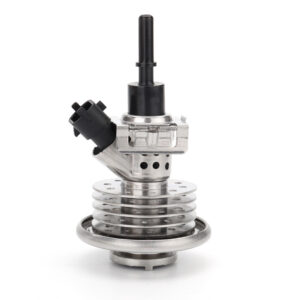
As a diesel engine operates, it generates NOx gases as a combustion byproduct. To address this environmental challenge, DEF is injected into the exhaust system, where it vaporizes and breaks down into ammonia and carbon dioxide. The ammonia subsequently reacts with the NOx in the SCR catalyst, transforming it into harmless nitrogen and water vapor, which are released into the atmosphere. This process significantly lowers pollution levels from diesel vehicles, contributing to cleaner air standards.
The adoption of DEF is not just advisable; it is required by stringent regulations in various regions. For example, the U.S. Environmental Protection Agency (EPA) and the European Union have established guidelines that mandate diesel engines meet specific emission standards. Consequently, manufacturers have incorporated DEF systems into their vehicles to comply with these regulations, making DEF indispensable for both new and existing diesel-powered equipment.
In summary, Diesel Exhaust Fluid serves a dual purpose: it adheres to regulatory requirements while also enhancing environmental health. As the automotive industry evolves, understanding the significance and functionality of DEF becomes critically important for diesel engine operators and owners.
Benefits of Using Diesel Exhaust Fluid
Transitioning to the benefits of DEF, it becomes evident that Diesel Exhaust Fluid is a fundamental component for modern diesel engines equipped with Selective Catalytic Reduction (SCR) systems. Utilizing DEF comes with numerous advantages that contribute to environmental sustainability and enhance overall engine performance.
- Improved Emissions Control: One of the most significant benefits of using DEF is its effectiveness in drastically reducing harmful nitrogen oxide (NOx) emissions, allowing vehicles to meet stringent environmental regulations. This compliance not only aids in maintaining air quality but also helps avoid substantial fines associated with non-compliance.
- Enhanced Engine Efficiency: The introduction of DEF in SCR systems facilitates more complete fuel combustion, consequently improving overall engine efficiency. As a result, vehicles can achieve better throttle response and reduced engine strain, leading to a more powerful and smoother driving experience.
- Cost Savings: While some may perceive the expense of DEF as an added cost, it ultimately leads to significant savings. By lowering NOx emissions, DEF helps reduce engine wear and tear, extending engine life. Moreover, enhanced combustion efficiency can lead to decreased fuel consumption, making operational costs more economical over time.
Illustrating these benefits, case studies have demonstrated that a fleet of heavy-duty trucks integrating DEF into their operations observed a 20% reduction in fuel consumption over six months while consistently complying with emissions standards. This underscores not only the environmental impact but also the financial benefits of utilizing DEF.
Thus, incorporating Diesel Exhaust Fluid is not just a regulatory necessity; it is a strategic move to boost performance, endorse sustainability, and achieve cost efficiency in the competitive diesel transportation industry.
How to Choose the Right DEF Product
When selecting the appropriate Diesel Exhaust Fluid (DEF) product, it’s crucial to maintain optimal diesel engine performance while ensuring compliance with rigorous emission regulations. Here are essential guidelines to help you make an informed choice:
First, understanding DEF specifications is vital. Seek products that meet API (American Petroleum Institute) standards and ISO 22241 certification. These specifications ensure that the DEF is of high purity and quality, devoid of contaminants that could damage your vehicle’s SCR system.
Next, consider the distinctions between brand-name and generic DEF products. While branded DEF may carry a higher price tag, they frequently provide better quality assurance and performance reliability. Generic products may be more economical; however, they still need to comply with the same rigorous specifications. Always verify certifications on the label.
Additionally, assess the type of vehicle and your usage patterns. Different vehicles may necessitate DEF with varying concentrations or formulations. For instance:
- Light-duty vehicles: Typically require standard DEF, which is generally 32.5% urea.
- Heavy-duty trucks: May benefit from high-tier DEF formulations designed for prolonged use and harsh operating conditions.
- Construction equipment: Should opt for DEF optimized for high-load applications to prevent operational downtime.
To aid in your decision-making process, the following comparison chart highlights several DEF brands and their key specifications:
| Brand | API Certified | ISO 22241 Compliant |
|---|---|---|
| Brand A | Yes | Yes |
| Brand B | Yes | Yes |
| Generic Brand | Check Label | Check Label |
By evaluating specifications, considering brand reliability, and tailoring your selection to your specific vehicle needs, you can identify the right DEF product that safeguards engine performance and efficiency.
Comprehensive Comparison of DEF Products
When choosing the right Diesel Exhaust Fluid (DEF) for your vehicle or machinery, it is crucial to understand the differences among various brands. Below is a comparative overview of some leading DEF products currently available in the market:
| Brand | Key Features | Pricing (per gallon) | Certification | User Ratings |
|---|---|---|---|---|
| BlueDEF | High purity; ISO 22241 certified | $2.50 | API Certification | 4.8/5 stars |
| Peak | Contains no urea impurities; corrosion inhibitor | $2.40 | ISO 22241 certified | 4.6/5 stars |
| Grote | Offers a longer shelf life; environmentally friendly | $2.70 | API Certification | 4.5/5 stars |
| Shell | Meets global standards; exceptional quality control | $2.55 | ISO 22241 certified | 4.7/5 stars |
In addition to price and features, user reviews suggest that BlueDEF consistently ranks as a top choice due to its high purity and reliability. Peak also receives accolades for its effective corrosion prevention while being competitively priced. Ultimately, your DEF choice may hinge on specific vehicle requirements and budget considerations, but these brands represent some of the finest options currently available.
Buying Guide for Diesel Exhaust Fluid
Shifting focus to the purchasing process, understanding the critical criteria when acquiring Diesel Exhaust Fluid (DEF) can make a significant difference in ensuring optimal performance for your diesel engines. Here are essential factors to consider:
- Purity: DEF should consist of at least 32.5% urea and 67.5% deionized water. Verify label certifications to ensure compliance with ISO 22241 standards.
- Storage Conditions: Proper storage is paramount. DEF should be shielded from extreme temperatures, ideally maintained between 12°F and 86°F (-11°C to 30°C) to preserve its integrity.
- Bulk vs. Single Containers: Purchasing in bulk may be more economical, especially for fleet operators. However, consider your storage space and whether bulk dispensing equipment is available. Single containers are more manageable for smaller operations or individual use.
- Expiration Dates: DEF generally has a shelf life of up to 12 months from production if stored correctly. Look for a production date on the label and make sure to use it before expiration. Some manufacturers provide a printed expiration date for added convenience.
To assist in evaluating DEF products during purchase, consider the following checklist:
- Check for ISO 22241 certification.
- Inquire about the storage conditions of the product.
- Review compatibility of bulk containers with your equipment.
- Inspect for clear expiration dates and shelf life indications.
By adhering to these guidelines, you can choose high-quality DEF that fosters efficient engine operation while minimizing your environmental impact.
Frequently Asked Questions (People Also Ask)
As DEF is integral to diesel engine operation, many questions arise regarding its use and maintenance. Here are some frequently asked questions to clarify common concerns:
- What is the freezing point of DEF?DEF typically freezes around 12°F (-11°C). If DEF freezes, it remains usable once thawed, as its composition is unaffected. However, store it at temperatures above this threshold for optimum performance.
- How often should Diesel Exhaust Fluid be refilled?The frequency of DEF refills depends on your engine’s diesel exhaust treatment system and driving habits. On average, DEF consumption is 2-3% of total diesel fuel usage. Regularly monitor DEF levels, refilling before they run low to maintain compliance and engine efficiency.
- Can I use non-certified brands of DEF?It is inadvisable to use non-certified DEF brands, as these may not meet the stringent standards set by the American Petroleum Institute (API). Non-compliant DEF can damage your vehicle’s emissions system and invalidate your warranty.
- What happens if I run out of Diesel Exhaust Fluid?Running out of DEF may cause your vehicle to enter a reduced power mode to limit harmful emissions, potentially leading to stalling or failure to start. To avoid this, keep your DEF topped off.
- How should I store DEF in extremely cold weather?In frigid conditions, store DEF in a climate-controlled environment if feasible. If outdoor storage is necessary, reduce exposure to cold temperatures and insulate containers to prevent freezing.