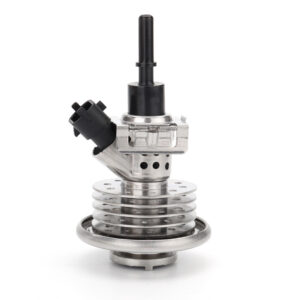
Comprehensive Guide to Diesel Exhaust Fluid (DEF) Injectors: How to Choose, Troubleshoot, and Maintain
Understanding Diesel Exhaust Fluid (DEF) Injectors
Diesel Exhaust Fluid (DEF) injectors are essential components in modern diesel engines, especially for complying with strict environmental regulations. DEF is a non-toxic, colorless, and odorless solution containing 32.5% urea and 67.5% deionized water. When injected into the exhaust stream, it reacts with nitrogen oxides (NOx) to convert these harmful compounds into harmless nitrogen and water vapor.
DEF injectors are specifically engineered to inject this fluid into the exhaust system at precise intervals and quantities. They work in tandem with the engine’s performance, utilizing a variable-rate dosing mechanism. This design ensures optimal injection flow corresponding to engine load and temperature, enhancing efficiency while minimizing DEF consumption and improving emissions control.
The primary role of DEF in diesel emissions systems is to substantially reduce NOx emissions. By converting these pollutants into harmless substances, DEF plays a direct role in promoting cleaner air and meeting regulatory standards. Integrated into the Selective Catalytic Reduction (SCR) system, DEF allows diesel engines to operate efficiently while fulfilling environmental requirements.
Understanding how DEF injectors function and how to maintain them is vital for operators and fleet managers. Keeping these injectors in good working order ensures that diesel engines operate smoothly and produce compliant exhaust. Regular maintenance and troubleshooting can prevent injector clogging and extend the lifespan of the emissions system.
- Regular checks for fluid quality and levels
- Inspecting for leaks or blockages in the injector system
- Ensuring compatibility with the specific engine model for optimal performance
Choosing the Right DEF Injector for Your Vehicle
Now that you appreciate the significance of DEF injectors, selecting the right one for your vehicle is crucial for optimal performance and emissions compliance. Here are some key factors to consider:
- Compatibility with Diesel Vehicle Models: DEF injectors differ in design and functionality, making it essential to verify that the injector you select is compatible with your vehicle model. Check your vehicle’s manual or consult a trusted supplier to confirm compatibility with your engine type and make.
- Performance Metrics: Evaluate key performance indicators such as flow rate, which determines the quantity of DEF injected into the exhaust, and efficiency, impacting both emissions and fuel economy. Higher flow rates can improve exhaust treatment but should match your vehicle’s specifications to prevent performance issues.
- Brand Reputation: Choosing well-established brands instills confidence. Renowned manufacturers tend to follow strict quality standards, ensuring reliability and durability. Consider warranty options as well; these can be a safeguard against defects or premature failures.
To aid your decision-making, the table below highlights some leading DEF injectors on the market, emphasizing their main features and specifications:
| Brand | Flow Rate (L/hr) | Efficiency (%) | Warranty |
|---|---|---|---|
| Injector A | 10 | 95 | 2 years |
| Injector B | 12 | 92 | 1 year |
| Injector C | 8 | 98 | 3 years |
By thoughtfully considering these elements, you can make an informed decision that enhances your vehicle’s performance while ensuring compliance with emissions standards.
Common Issues with DEF Injectors and Troubleshooting Tips
While selecting the right DEF injector is vital, being aware of potential problems associated with these injectors is equally important. Diesel Exhaust Fluid (DEF) injectors are critical for managing emissions in diesel engines, but they can encounter a range of issues that affect performance. Recognizing the signs of a failing DEF injector is crucial to maintain vehicle efficiency and compliance.
Common symptoms of a failing DEF injector include:
- Reduction in engine performance
- Increased NOx emissions detected by onboard diagnostics
- DEF warning light illuminated on the dashboard
- Fluid leaks near the injector or associated components
To troubleshoot these issues, follow this step-by-step process:
- Visual Inspection: Start with a thorough visual inspection of the injector and surrounding components for signs of damage or fluid leaks.
- Check DEF Quality: Ensure that the DEF is not expired or contaminated since poor-quality fluid can block injectors.
- Monitor DEF Flow: Utilize diagnostic tools to monitor the DEF flow rate. Low flow may indicate a blockage or malfunctioning injector.
- Perform Cleaning: If you suspect a clog, carefully clean the injector with appropriate DEF cleaning solutions to eliminate any build-up.
- Consult Diagnostic Codes: Use an OBD-II scanner to check for error codes related to the DEF system, which can reveal specific issues.
If these steps fail to rectify the problem, or if you confront complex issues, it is wise to seek professional assistance. Skilled technicians possess the necessary diagnostic tools and expertise to address severe injector problems effectively.
To streamline the process, consider creating a troubleshooting flowchart or checklist for efficient diagnosis, helping to proactively manage DEF injector issues.
Maintenance Tips for DEF Injectors
Transitioning to maintenance, caring for DEF injectors is vital to ensure their longevity and optimal performance. Sticking to a recommended maintenance schedule can avert unexpected failures and costly repairs.
Here are essential maintenance tips to keep your DEF injectors functioning at their best:
- Recommended Maintenance Schedule: Conduct inspections every six months or every 15,000 miles, whichever comes first. This includes checking for leaks, inspecting the injector nozzle, and ensuring there are no obstructions in the DEF lines.
- DEF Fluid Storage and Handling: Store DEF in a cool, dry location away from direct sunlight. Be sure storage containers are clean and free from contaminants. Always use a sealed container to prevent contamination and degradation of the fluid.
- Regular System Checks: Employ diagnostic tools to routinely check the DEF system’s functionality. Monitoring sensor readings and error codes can facilitate early identification of potential issues. If the injector becomes clogged or shows signs of wear, replace it immediately to evade further damage to the system.
Additionally, consider following this maintenance checklist:
- Inspect DEF injector and lines for leaks or damage.
- Check DEF fluid quality and replace if contaminated.
- Verify that the DEF dosage is accurate through system diagnostics.
- Clean around the injector to prevent dirt and debris buildup.
- Utilize the manufacturer’s recommended fluid and avoid mixing different types.
By adhering to these maintenance tips, you’ll help ensure the reliable performance of your DEF injectors, contributing to the overall efficiency of your diesel engines.
Buying Guide for DEF Injectors
As you prepare to purchase a DEF injector, careful consideration is necessary to guarantee optimal performance and compatibility with your vehicle’s system. Below are critical factors and insights to guide your selection process.
- Compatibility: Verify that the injector is compatible with your specific vehicle make and model. Refer to manufacturer specifications to mitigate the risk of malfunction.
- Quality and Brand Reputation: Choose well-known brands with a solid reputation for quality. Investing in reliable products can help prevent future failures and their associated costs.
- Material and Construction: Look for injectors made from durable materials capable of withstanding the high-pressure environments typical of diesel operations.
- Price: Prices can vary widely according to brand, functionality, and materials. Businesses can generally expect to pay between $100 and $300 per injector, based on features and aftermarket options available.
When evaluating aftermarket options, it’s wise to research the vendor’s credibility and customer reviews. Many aftermarket injectors function just as efficiently as OEM (original equipment manufacturer) parts, often at a reduced cost.
To avoid counterfeit products, purchase solely from authorized dealers or credible online platforms. Be wary of deals that appear too good to be true, and thoroughly check packaging and product details for authenticity guarantees.
Buyer’s Checklist for Selecting DEF Injectors:
- Check compatibility with your vehicle.
- Research brand reputation and customer feedback.
- Analyze material and construction quality.
- Compare prices across various retailers.
- Verify the seller’s authenticity and return policies.
By taking these factors into account, you can make an informed decision that enhances the longevity and efficiency of your diesel exhaust fluid system.
Frequently Asked Questions (People Also Ask)
Understanding DEF injectors is crucial for maintaining your diesel engine’s performance and efficiency. Below are frequently asked questions about DEF injectors, accompanied by concise answers to guide you.
- What are the signs of a failing DEF injector?Common signs include poor engine performance, warning lights on your dashboard, increased emissions, and fluid leaks near the injector area.
- How often should DEF injectors be replaced?Typically, DEF injectors should be inspected and possibly replaced every 50,000 to 100,000 miles, depending on your vehicle’s use and manufacturer guidelines. Regular maintenance checks are also recommended.
- Can DEF injector issues lead to engine failure?Yes, malfunctioning DEF injectors can cause improper exhaust treatment, potentially resulting in performance issues and, in severe cases, engine failure. Swift attention to injector problems is vital.
- How do I install a DEF injector?Installing a DEF injector usually involves removing the old injector, cleaning the mounting area, applying any necessary sealants, and securing the new injector in place. Always consult your vehicle’s service manual for specific instructions.
- Can I use aftermarket DEF injectors?While some aftermarket DEF injectors are compatible, it is advisable to use OEM (Original Equipment Manufacturer) parts to ensure a proper fit and performance. Always verify the specifications and ratings before installation.