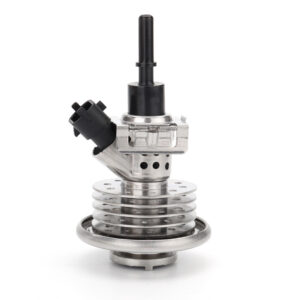
Cleaning DEF Injectors: Essential Guide & Best Practices
Understanding DEF Injectors and Their Importance
Diesel Exhaust Fluid (DEF) injectors are vital for the performance of modern diesel engines, especially those with Selective Catalytic Reduction (SCR) systems. These injectors precisely deliver DEF into the exhaust stream, facilitating the conversion of harmful nitrogen oxides (NOx) into innocuous nitrogen and water vapor. This process not only boosts engine efficiency but also ensures adherence to stringent emission regulations.
Maintaining clean DEF injectors is crucial due to their significant role. Optimal injector function guarantees a steady DEF supply, maximizing NOx breakdown and minimizing harmful emissions. Clean injectors foster:
- Enhanced fuel efficiency, as smooth engine operation is achieved.
- Improved performance, facilitating better acceleration and power delivery.
- Extended engine lifespan, reducing wear and tear on components.
On the other hand, neglecting injector maintenance results in various issues detrimental to engine performance and emissions control. Clogged or faulty injectors may cause:
- Increased NOx emissions, jeopardizing compliance with environmental standards.
- Reduced fuel efficiency, leading to higher operating costs.
- Potential engine damage due to excessive heat and pressure build-up, risking severe mechanical failure.
Therefore, regular cleaning and maintenance of DEF injectors are essential for any diesel vehicle owner or operator. Keeping these components free from obstructions not only prevents costly repairs but also prolongs engine life.
Step-by-Step Process for Cleaning DEF Injectors
Now that you understand their importance, let’s delve into the practical steps for maintaining DEF injectors. Cleaning Diesel Exhaust Fluid (DEF) injectors is a critical task necessary for ensuring your diesel engine’s optimal performance. Follow this detailed guide to clean your DEF injectors effectively.
Tools and Materials Needed:
- Protective gloves and goggles
- Wrench set
- Screwdrivers (flathead and Phillips)
- Ultrasonic cleaner or cleaning solvent
- Air compressor or a can of compressed air
- Soft cloths for wiping
- Container for debris and fluids
Safety Precautions:
- Always wear protective gloves and goggles to protect against chemical exposure.
- Work in a well-ventilated area to prevent inhalation of harmful fumes.
- Disconnect the vehicle battery to avoid accidental electrical discharge.
Step-by-Step Instructions:
- Preparation: Park the vehicle on a flat surface, turn off the engine, and allow it to cool. Remove the battery to eliminate any electrical risks.
- Accessing the DEF Injectors: Locate the DEF injector, which is usually positioned near the exhaust system. Carefully detach any fittings or brackets securing the injector with a wrench.
- Cleaning Process: Inspect the injector for visible clogs or deposits. If using an ultrasonic cleaner, submerge the injector in cleaning solvent as per the manufacturer’s guidelines. For manual cleaning, use a soft cloth with solvent to remove deposits.
- Drying: After cleaning, utilize compressed air to eliminate any remaining cleaning solution or debris. Ensure the injector is entirely dry before reinstalling.
- Reinstallation: Reattach the injector securely, fastening any fittings or brackets as necessary.
- Test: Once everything is reassembled, reconnect the battery and start the engine. Check for any leaks and confirm that the DEF system is operating correctly.
Diligently following these steps will ensure regular maintenance of your DEF injectors, enhancing their lifespan and your engine’s efficiency.
Identifying Common DEF Injector Issues
Recognizing trouble signs is as essential as the cleaning process. Identifying issues with Diesel Exhaust Fluid (DEF) injectors is critical for maintaining optimal engine performance and complying with emissions regulations. Several symptoms can indicate that DEF injectors are clogged or malfunctioning. Being alert to these signs can help avert operational inefficiencies and costly repairs.
- Increased Emissions: A rise in exhaust emissions may suggest that DEF injectors are obstructed, hindering the proper mixing of DEF and exhaust gases.
- Engine Warning Lights: A check engine light or specific emissions-related warning message typically signifies DEF injector problems requiring prompt attention.
- Reduced Engine Performance: A loss of power or responsiveness in the engine often indicates incorrect function of the DEF system, frequently linked to injector issues.
- Frequent Regeneration Cycles: An increase in regeneration cycles might imply that the DEF injectors are not efficiently delivering fluid, resulting in excess soot build-up.
- Fluid Leaks: Any noticeable DEF leakage around the injector area suggests seal or injector malfunctions needing inspection and servicing.
To troubleshoot DEF injector-related problems, consider these tips:
- Perform visual inspections for leaks and blockages surrounding the injector area.
- Utilize diagnostic tools to check for error codes related to the DEF system.
- Monitor emissions levels and engine performance metrics for discrepancies.
- Refer to the manufacturer’s guidelines for specific cleaning and maintenance instructions.
By observing these common signs and symptoms, you can take swift action to maintain your DEF injectors in optimal condition and enhance overall vehicle efficiency.
Comparison of Cleaning Methods
With a solid grasp of both symptoms and solutions, it’s essential to evaluate the cleaning methods available. Choosing the right cleaning technique for Diesel Exhaust Fluid (DEF) injectors is vital for maintaining efficacy. Each cleaning method has its advantages and disadvantages, making it crucial for diesel vehicle owners and fleet managers to make an informed choice.
- Manual Cleaning: Involves disassembling the injectors and cleaning them with specialized tools and fluids.
- Pros: Allows thorough inspection and cleaning, enabling technicians to identify other potential issues.
- Cons: Time-consuming and requires technical skills, potentially increasing labor costs.
- Chemical Cleaning: Utilizes chemical solutions to break down deposits without disassembly.
- Pros: Generally quicker and less labor-intensive than manual cleaning; can often be performed on-site.
- Cons: May not fully remove all deposits, and improper use of chemicals can damage components.
- Professional Services: Outsourcing to specialized service providers ensures comprehensive cleaning.
- Pros: Trained technicians likely employ industry-standard methods for optimal results.
- Cons: Higher overall costs compared to DIY methods and depends on the service provider’s quality.
In conclusion, the choice of cleaning method should depend on individual needs, contaminant severity, budget, and available expertise. While manual cleaning provides a thorough approach, chemical cleaning balances efficiency with accessibility, and professional services guarantee expertise albeit at a premium. Considering these factors will enable you to make an informed decision that maximizes the longevity and performance of your DEF injectors.
Buying Guide for Cleaning Supplies and Services
Having acquired knowledge about cleaning methods, it’s important to select appropriate supplies and services. Choosing the right products for maintaining DEF injectors is vital for optimal performance and longevity. Here are key features to consider when evaluating your options:
- Compatibility: Ensure cleaning products are specifically designed for DEF injectors to avoid potential damage from corrosive agents in non-compatible cleaners.
- Effectiveness: Look for products proven to effectively remove carbon build-up and other contaminants. Reviews and testimonials can provide valuable insights.
- Safety: Opt for non-toxic, biodegradable cleaning solutions when possible, particularly in industrial settings where worker safety and environmental responsibility are paramount.
To aid your search, here are some trusted brands and product types known for effective DEF injector cleaning:
- BG Products: Offers specialized cleaning solutions and a range of injector cleaners that effectively eliminate deposits.
- Diesel Care: Provides comprehensive products specifically formulated for diesel fuel systems, ensuring thorough cleaning without risk to components.
- Liqui Moly: Their injector cleaning products are renowned for improving fuel efficiency and restoring injector performance.
To facilitate your injector cleaning routine, here’s a checklist of essential tools and supplies:
- Injector cleaning kit
- High-pressure cleaning tool
- Compatible DEF fluid
- Safety gloves and goggles
- Torque wrench for reinstallation
By prioritizing compatibility, effectiveness, and safety when selecting cleaning supplies, you can ensure reliable performance from your DEF injectors.
Frequently Asked Questions (People Also Ask)
As you begin your cleaning journey, it’s crucial to address any concerns. Cleaning DEF injectors is key to maintaining optimal performance within your vehicle’s diesel exhaust fluid (DEF) system. Below are common questions and answers that offer clarity on best practices for keeping these components clean.
- How often should DEF injectors be cleaned? It’s advisable to clean DEF injectors every 30,000 to 50,000 miles, or as recommended by your vehicle’s manufacturer. Regular inspections can help identify if cleaning is necessary sooner.
- Can I clean DEF injectors myself or should I hire a professional? Although some mechanically inclined vehicle owners may clean DEF injectors themselves, hiring a professional is generally preferred. Incorrect cleaning can cause further damage or require extensive repairs.
- What are the signs that my DEF injectors need cleaning? Common indicators include reduced vehicle performance, DEF system error codes, decreased fuel efficiency, or visible residue in the fluid. If you observe any of these symptoms, it’s essential to examine the injectors.
- What cleaning products are safe to use? Always choose manufacturer-recommended cleaning products specifically designed for DEF systems. Avoid harsh chemicals or substances unsuitable for diesel engines, as they can damage components.
- Are there any risks associated with cleaning DEF injectors improperly? Yes, improper cleaning can cause injector damage, lead to system blockages, and potentially void warranties. Always adhere to manufacturer guidelines and consult a professional if uncertain.