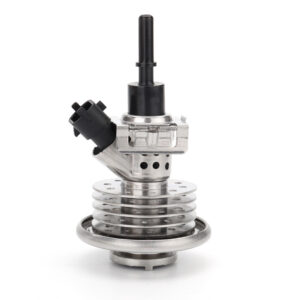
Ultimate Guide to Removing and Maintaining the DEF Injector on Ram Trucks
Understanding the DEF Injector System
The Diesel Exhaust Fluid (DEF) injector is vital for the operation of modern diesel engines, especially in Ram trucks. Its main purpose is to inject a precise amount of DEF into the exhaust stream, aiding the conversion of harmful nitrogen oxides (NOx) into harmless nitrogen and water vapor via Selective Catalytic Reduction (SCR).
The DEF injector collaborates with various components within the emissions control system, working closely with NOx sensors that monitor the concentration of nitrogen oxides in the exhaust. These sensors send real-time feedback to the engine control unit (ECU), which prompts the DEF injector to release the proper amount of fluid, ensuring optimal emissions levels. This synergy not only helps meet environmental regulations but also boosts engine performance and fuel efficiency.
However, like any component, the DEF injector can malfunction. Issues may arise such as clogging from impurities in the DEF fluid, electrical failures, or inaccurate sensor readings. Symptoms of a defective DEF injector typically include:
- Increased exhaust emissions and illuminated check engine light, often indicating NOx sensor errors.
- Decreased engine performance, including power loss and heightened fuel consumption.
- Frequent need to replenish DEF fluid, suggesting inconsistent injection rates.
Considering these potential problems, regular maintenance and monitoring of the DEF injector system are crucial for ensuring compliance with emissions standards and sustaining optimal engine performance. A proactive stance that involves routine inspections and timely replacements can help avert more significant issues in the future.
Step-by-Step Removal Process for the DEF Injector
With a solid grasp of the DEF injector system and its potential issues, you may feel prepared to handle the removal process. Detaching the DEF (Diesel Exhaust Fluid) injector from your Ram truck might appear daunting, but with the right tools and clear instructions, you can accomplish it safely and effectively. Below, we outline the necessary equipment and a step-by-step guide for the removal process.
Necessary Tools and Safety Equipment:
- Socket wrench set
- Torque wrench
- Screwdriver set
- Pliers
- Safety goggles
- Gloves
- Shop towels
- Container for catching residual fluid
Step-by-Step Instructions:
- Disconnect the Battery: Begin by disconnecting the negative terminal of the battery to prevent electrical shorts.
- Drain the DEF Tank: Drain the DEF tank completely to prevent spills, using a container to catch any residual fluid.
- Access the Injector: Remove the intake manifold or other components obstructing access to the DEF injector. Consult the service manual for specifics regarding your Ram model.
- Disconnect Electrical Connectors: Carefully disconnect the electrical connectors from the injector by pressing the release tab. Be cautious not to damage the connectors or wires.
- Remove the DEF Injector: Using a socket wrench, unscrew the bolts securing the injector, then carefully pull it straight out from its mounting area.
- Inspect the Injector: After removal, inspect the injector for cracks or signs of wear. If replacement is necessary, clean the area before installation.
Safety Precautions:
- Always wear gloves and safety goggles when handling fluids and electrical components.
- Ensure adequate ventilation in your workspace.
- Be cautious of sharp edges when disassembling components.
By following these steps carefully, you can ensure a successful DEF injector removal from your Ram truck. Always refer to your truck’s service manual for model-specific details to prevent issues.
Troubleshooting Common Issues During Removal
As you undertake the removal process, being mindful of potential complications is important. Several issues may occur when removing the Diesel Exhaust Fluid (DEF) injector from a Ram truck. Understanding these challenges can help save time and lead to a smoother removal.
One prevalent complication is dealing with rusted bolts. Over time, exposure to moisture and corrosive elements can cause bolts to seize, making removal difficult. For these instances, consider using penetrating oil to loosen the rusted bolts. Apply the oil generously and allow it to sit for at least 15 minutes before attempting to unscrew them.
Another common issue is leakage of DEF fluid. If you notice leaks during removal, act swiftly to contain the fluid since DEF can crystallize and damage nearby components. Always have absorbent materials ready to manage spills effectively.
Moreover, some Ram truck owners may experience error messages related to the DEF system during removal. Common codes include “P20E8” for DEF injector issues or “P207F” for poor performance. For accurate diagnosis, use an OBD-II scanner compatible with your vehicle. Refer to your vehicle’s manual or reliable online resources for specific diagnostic codes and their meanings.
- Tip: Document each error code and the corresponding actions taken for future reference.
- Resource: Websites like the Ram Truck forum and manufacturer-specific service guides often provide comprehensive lists of codes and troubleshooting steps.
In summary, grappling with these common issues armed with the right tools and knowledge can facilitate a successful DEF injector removal. Keeping a troubleshooting flowchart handy can streamline decision-making in the face of these challenges.
Maintenance Tips for Your DEF System
Upon successfully removing the DEF injector, recognizing the importance of routine maintenance for the entire DEF system becomes crucial. Regular upkeep of your Diesel Exhaust Fluid (DEF) system is essential for the optimal performance of your Ram truck and the longevity of its components. Since the DEF injector plays a key role in the after-treatment process, it requires consistent attention to function well. Below are vital maintenance tips to keep your DEF system in prime condition.
- Recommended Cleaning Procedures: Clean the DEF injector every 10,000 miles or during routine maintenance checks. Employ a suitable cleaning solution designed for DEF systems, adhering to the manufacturer’s specifications. Regular cleaning helps prevent the accumulation of deposits that can impede injector performance.
- Maintaining Related Components: Periodically inspect the DEF tank for signs of contamination or leaks. Ensure the tank remains free from dirt and debris, and check connections to avert any fluid loss. Moreover, keep an eye on the fluid level, as low levels can affect injector operation.
- Quality of DEF Fluid: Always utilize high-quality DEF fluid that meets ISO 22241 standards. Inferior fluids can induce crystallization issues and harm the injector over time. Sourcing DEF from a reputable supplier guarantees your truck operates efficiently and keeps the injector functional.
By adhering to these maintenance tips, you can prolong the life of your DEF injector and boost your truck’s overall performance. Consistent monitoring and care will save you time and money on repairs and replacements in the long run.
Buying Guide for Replacement Parts
When it comes to replacing the DEF injector on your Ram truck, making informed choices is essential. After considering maintenance, ensuring you select the correct replacement parts is crucial. Here are key factors to help guide your decision:
- Features to Look For: Choose DEF injectors that conform to original equipment manufacturer (OEM) specifications. Look for parts made from durable materials such as high-quality plastics and metals, which can withstand corrosion and wear. Additionally, consider injectors with sturdy seals to prevent leaks, essential for maintaining system efficiency.
- Brand Recommendations: Reliable brands like Bosch, Denso, and ACDelco offer trustworthy DEF injectors recognized for their quality and performance. While affordable alternatives may exist, they often lack the rigorous testing and quality control guaranteed by more reputable brands. Always review customer testimonials to assess performance and reliability.
- Price Ranges: DEF injectors generally range from $80 to $300, depending on brand and vehicle model. Higher-quality injectors may come with longer warranties, justifying the additional cost. Explore local auto parts stores and online retailers such as RockAuto and Amazon, which often feature competitive prices and customer ratings to assist in your decision-making.
Checklist for Selecting the Right Replacement DEF Injector:
- Verify OEM compatibility with your vehicle model.
- Check material quality and durability.
- Research brand reputation and warranty options.
- Compare prices across different vendors.
- Read customer reviews for insights on performance and longevity.
Following these guidelines allows you to confidently choose a DEF injector that will boost the performance and reliability of your Ram truck, ensuring a smoother driving experience.
Frequently Asked Questions (People Also Ask)
To enhance your understanding of DEF injectors, addressing common queries can be beneficial. In this section, we tackle some frequently asked questions about DEF injectors to provide clarity and support your maintenance journey.
- How often should the DEF injector be cleaned or maintained?
It’s advisable to inspect and clean the DEF injector every 15,000 miles. Regular maintenance can help prevent clogging and ensure optimal performance of your emissions system. - What are the signs that my DEF injector needs replacement?
Signs include reduced fuel efficiency, a lit check engine light, and increased DEF consumption. Excessive NOx emissions or difficulty starting your vehicle could also indicate a faulty DEF injector. - Can I perform this task without professional help?
While knowledgeable DIY enthusiasts can handle basic maintenance, removing and replacing a DEF injector can be intricate. If you’re unfamiliar with automotive repairs, it’s best to seek professional assistance to prevent potential damage. - What common issues arise during DEF injector repairs?
Common issues include stripped bolts, difficulty accessing the injector due to nearby components, and leaks from improperly sealed fittings. Following a detailed guide and taking your time can help mitigate these problems. - How can I troubleshoot problems with my DEF injector performance?
Start by checking for error codes using an OBD-II scanner. Inspect the injector for clogs or leaks and ensure the DEF fluid is of high quality. Additionally, verify the integrity and function of all electrical connections.