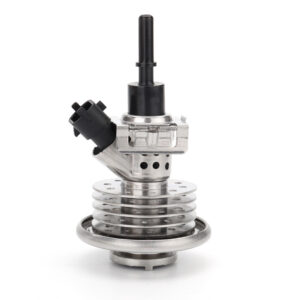
Comprehensive Guide to Removing and Replacing Your DEF/Urethra Injector
Understand the DEF and Urethra Injector System
Diesel Exhaust Fluid (DEF) is a non-hazardous solution critical to the operation of modern diesel engines. Made up of 32.5% high-purity urea and 67.5% deionized water, DEF reduces nitrogen oxides (NOx) emissions in diesel engines equipped with Selective Catalytic Reduction (SCR) systems. When injected into the exhaust stream, DEF undergoes a chemical reaction that converts harmful NOx into harmless nitrogen and water vapor, significantly lowering the environmental impact of diesel vehicles.
At the heart of this process lies the urethra injector, also known as the DEF injector. This essential component, located within the SCR system, accurately meters and injects DEF into the exhaust flow at precise intervals, ensuring optimal conditions for the SCR process while maximizing efficiency and compliance with stringent emission regulations. Consequently, a properly functioning DEF injector is vital for maintaining vehicle performance and its emission control system.
However, DEF injectors may experience failure or contamination, leading to various complications. Common consequences include:
- Increased Emissions: A malfunctioning injector can cause improper DEF dosing, leading to elevated nitrogen oxides and potential failure to meet emissions standards.
- Engine Performance Issues: An ineffective injector may cause the engine to run inefficiently or enter a ‘limp’ mode to protect against damage.
- Costly Repairs: Injector failure may require expensive repairs or replacements, highlighting the necessity of regular maintenance and monitoring.
Thus, understanding the role and functionality of the DEF and urethra injector system is crucial for diesel engine operators and mechanics. Regular checks and timely replacements are essential to ensure both vehicle performance and environmental compliance.
Step-by-Step Guide to Remove the DEF/Urethra Injector
With the fundamentals established, removing the DEF (Diesel Exhaust Fluid) injector from your vehicle is an important maintenance task that necessitates careful attention to detail. Here’s a comprehensive step-by-step guide to help you safely and efficiently execute this process.
Tools and Materials Required:
- Safety goggles
- Gloves (nitrile recommended)
- Socket wrench set
- Screwdrivers (flathead and Phillips)
- Torque wrench
- Replacement DEF injector (if applicable)
- Properly labeled containers for fluid drainage
Safety Precautions and Best Practices:
- Always wear safety goggles and gloves to protect against chemical splashes and sharp edges.
- Ensure the vehicle is parked on a flat surface with the ignition turned off and the keys removed.
- Allow the engine to cool completely before starting the removal process to avoid burns.
- Work in a well-ventilated area to minimize exposure to fumes.
Step-by-Step Removal Instructions:
- Prepare the Area: Clear the workspace around the DEF injector to provide adequate access.
- Drain the System: Use properly labeled containers to drain any remaining DEF fluid from the tank to prevent spillage.
- Disconnect Electrical Connectors: Carefully unplug any electrical connectors attached to the injector, handling them by the base to avoid damage.
- Remove Fasteners: Utilize the appropriate socket wrench to remove the bolts or screws securing the DEF injector in place, keeping these fasteners for reassembly.
- Extract the Injector: Gently pull the injector out of the mounting location, being cautious of any remaining fluid and inspecting the gasket for wear.
By following these steps, you can effectively remove your DEF injector while ensuring safety and preparing for successful replacement. Always refer to your vehicle’s service manual for model-specific instructions and torque specifications when reinstalling.
Selecting Your Replacement DEF Injector
After the removal process is complete, choosing the right replacement DEF injector is crucial for the effective operation of your vehicle’s emissions system. Consider these key factors when making your selection:
- Compatibility: Ensure that the injector you select is compatible with your specific make and model. Consult your vehicle’s manual or a professional to verify the specifications.
- Quality and Reliability: Opt for injectors known for their durability and performance. A high-quality injector will minimize potential issues and enhance fuel efficiency.
- Features: Evaluate features such as ease of installation, warranty offered, and whether it integrates seamlessly with your vehicle’s onboard diagnostic system. Some models may have improved designs that enhance fuel atomization for better combustion.
When assessing quality, it is advisable to choose injectors from reputable brands recognized in the automotive industry. Brands such as Bosch, Denso, and Aisin are often recommended for their commitment to quality and performance.
| Brand | Model | Compatibility | Warranty | Price Range |
|---|---|---|---|---|
| Bosch | 0450001234 | Ford, GM | 2 Years | $150 – $200 |
| Denso | 671-0706 | Chrysler, Jeep | 1 Year | $120 – $180 |
| Aisin | AP0004 | Toyota, Lexus | 2 Years | $130 – $190 |
By carefully considering compatibility, features, and reputable brands, you can choose a DEF injector that meets your vehicle’s needs while enhancing overall performance. Remember, investing in a quality injector will yield long-term benefits in efficiency and reliability.
Troubleshooting Common DEF Injector Issues
As you continue to maintain your vehicle, diagnosing issues with your DEF (Diesel Exhaust Fluid) injector is crucial for ensuring optimal performance and compliance with emissions standards. Below, we outline common symptoms of DEF injector failure, effective troubleshooting steps, and guidance on when to seek professional assistance.
Common Symptoms of DEF Injector Failure:
- Check Engine Light: A persistent warning light may indicate a DEF-related issue.
- Reduced Engine Power: A noticeable drop in power might signify injector malfunction.
- Increased Emissions: Excessive exhaust gases can signal injector problems.
- DEF Quality Alerts: Alerts suggesting low-quality DEF or contamination issues are also indicative of injector faults.
Steps to Troubleshoot Problems:
- Step 1: Check the DEF level in the tank. Low levels can cause various issues.
- Step 2: Inspect the DEF lines and connections for leaks or blockages.
- Step 3: Use a diagnostic tool to check for fault codes that provide specific error information related to the injector.
- Step 4: If contamination is suspected, flush the DEF system following the manufacturer’s recommendations.
When to Seek Professional Help:
If troubleshooting does not resolve the issue, or if you encounter severe symptoms like repeated error codes despite repairs, consulting a professional mechanic or a service center specializing in DEF systems is advisable. Professional diagnostics can save time and potentially avoid costly repair errors.
By recognizing the signs of DEF injector problems early and applying a systematic troubleshooting approach, you can extend the life of your vehicle’s emissions system while ensuring optimal performance.
Buying Guide for DEF Injectors
As you prepare to select a replacement DEF injector, it’s essential to consider various specifications and components for optimal performance and compatibility. This buying guide outlines the critical factors you should evaluate before making your purchase.
- Compatibility: Confirm that the injector is compatible with your vehicle’s make and model by consulting your owner’s manual or online databases.
- Performance Ratings: Look for injectors offering reliability and efficiency metrics such as flow rate and atomization quality.
- Brand Reputation: Select products from trusted manufacturers known for producing quality DEF injectors since this significantly impacts durability and effectiveness.
- Warranty: Consider injectors that include a warranty for assurance regarding quality and support.
- Installation Requirements: Assess whether the injector necessitates special tools for installation or if it can be easily fitted with standard equipment.
Furthermore, pricing for DEF injectors can vary widely based on brand, type, and features. Generally, you can expect to pay:
- Budget Options: $50 – $100
- Mid-Range Brands: $100 – $250
- Premium Models: $250 – $500+
Regarding purchasing locations, you have two main options:
- Online Retailers: Websites like Amazon, eBay, or specialized auto parts sites frequently offer lower prices and a broader selection.
- Local Auto Parts Stores: Stores like AutoZone or NAPA Auto Parts allow you to inspect the product first-hand and obtain immediate support from staff.
For quick reference, here’s a buying checklist to keep in mind:
- Compatibility with your vehicle
- Performance ratings
- Brand reputation
- Warranty options
- Installation requirements
By following these guidelines and considering these factors, you can make an informed decision when purchasing a DEF injector, ensuring reliable performance and compatibility with your vehicle.
Frequently Asked Questions (People Also Ask)
This section addresses common concerns and questions regarding DEF injectors to assist you in making informed decisions about maintenance and replacement.
- What are the signs of a failing DEF injector?Common signs include poor engine performance, reduced fuel efficiency, error codes related to the emissions system, and increased nitrogen oxide (NOx) emissions. Additionally, visual leaks or fluid buildup around the injector can indicate failure.
- How often should I replace my DEF injector?Typically, DEF injectors last between 50,000 and 100,000 miles, but this can vary based on driving conditions and DEF quality. Regular maintenance checks can help determine if replacement is necessary.
- Can I clean my DEF injector instead of replacing it?While some users attempt to clean a defective DEF injector, complete replacement is often more effective. Cleaning may provide a temporary fix but won’t address underlying issues that can lead to ongoing performance problems.
- What happens if DEF is added to a diesel tank by mistake?Adding DEF to a diesel fuel tank can cause significant engine damage. It is crucial to drain the tank immediately and flush the fuel system to prevent harmful effects on the engine.
- Is it possible to repair a DEF injector?Most DEF injectors are designed for replacement rather than repair, as their mechanical components degrade over time. If issues arise, it’s generally advisable to replace rather than attempt a repair.