Comprehensive Guide to Testing and Troubleshooting Diesel Truck DEF Injectors
Understanding the DEF Injector System
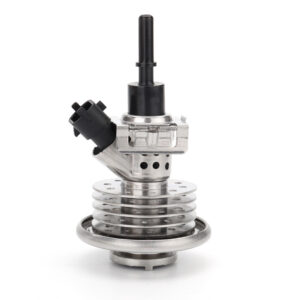
The Diesel Exhaust Fluid (DEF) injector plays a vital role in the diesel emissions control system by significantly reducing nitrogen oxides (NOx) through selective catalytic reduction (SCR). It precisely meters DEF into the exhaust stream, converting harmful NOx gases into harmless nitrogen and water, aiding compliance with stringent environmental regulations.
Key components of the DEF injector system include:
- DEF Injector Valve: The primary element controls the flow of DEF into the exhaust system, responding to engine conditions to ensure optimal dosage for effective NOx reduction.
- DEF Pump: Supplies the injector with pressurized DEF for precise injection into the exhaust stream.
- Temperature Sensors: Monitor DEF and exhaust temperatures, providing critical data to the engine control unit (ECU) for optimal performance.
- Electrical Connectors: Link the injector to the ECU, enabling effective communication under varying conditions.
Signs of a failing DEF injector may include:
- Decreased vehicle performance, typically accompanied by increased engine load.
- Frequent dashboard warning lights indicating DEF system malfunctions.
- Higher emissions of NOx pollutants, risking regulatory non-compliance.
- Inconsistent DEF fluid levels due to improper dosage.
Understanding the DEF injector system is crucial for early diagnosis and extends the longevity of both the injector and the emissions system.
Essential Tools for Testing Your DEF Injector
To test a Diesel Exhaust Fluid (DEF) injector effectively, having the right tools is essential. Below is a list of the necessary equipment for accurate diagnostics, ensuring your DEF injector operates without issues.
- Multimeter: A versatile tool that measures voltage, current, and resistance, allowing technicians to check the electrical connections to the DEF injector.
- Diagnostic Scan Tool: Interfaces with the truck’s onboard computer to retrieve diagnostic trouble codes (DTCs) related to the DEF injector, providing insights into system performance.
- Pressure Testing Equipment: Measures the fluid’s pressure in the injector system, essential for determining adequate operational pressures. Low pressure may indicate blockages or injector failure.
- Flow Meter: Measures the fluid flow rate through the DEF injector to verify that the injector dispenses the correct DEF amount into the exhaust system.
- Wrenches and Screwdrivers: Basic mechanic’s tools necessary for assembling and disassembling components during inspections and replacements.
Using these tools effectively streamlines the testing process, enabling technicians to diagnose and resolve DEF injector issues promptly, ensuring reliability and compliance with emissions regulations.
Step-by-Step Guide to Testing Your DEF Injector
To ensure your diesel truck’s DEF (Diesel Exhaust Fluid) injector operates efficiently, follow this systematic testing guide. Proper preparation and safety protocols are crucial for accurate diagnosis and effective issue resolution.
Preparation Steps:
- Gather Tools: Collect necessary tools such as a multimeter, flow meter, and basic hand tools like wrenches and screwdrivers.
- Read Manufacturer’s Manual: Familiarize yourself with the specific DEF system and injector details of your truck.
- Ensure Safety: Wear safety goggles and gloves, work in a well-ventilated area, and ensure the truck is on level ground.
Step-by-Step Instructions:
- Visual Inspection: Examine the DEF injector for any visible damage or leaks, and check the wiring harness for frays or disconnections.
- Resistance Testing: Measure the resistance of the DEF injector using a multimeter. Refer to the manufacturer’s specifications; a reading outside this range suggests a malfunction.
- Flow Analysis: Disconnect the DEF supply line and attach a flow meter. Activate the injector to examine fluid flow, ensuring it meets the manufacturer’s minimum values.
Safety Precautions:
- Always use appropriate personal protective equipment.
- Disconnect the battery before conducting electrical tests to prevent short circuits.
- Handle DEF fluid carefully, as it can be corrosive to certain materials.
Adhering to these steps will assist you in effectively diagnosing any DEF injector issues, ensuring optimal performance and compliance with emission regulations.
Troubleshooting Common DEF Injector Issues
Diagnosing and resolving Diesel Exhaust Fluid (DEF) injector issues is vital for maintaining diesel engine efficiency and compliance. Below are common symptoms, potential causes, troubleshooting steps, and further action recommendations.
| Symptoms | Potential Causes | Troubleshooting Steps | Recommendations |
|---|---|---|---|
| Check engine light illuminated | Contamination or blockage in the DEF injector |
|
Clean or replace the injector as necessary. |
| White smoke from the exhaust | Faulty DEF injection or incorrect balance of DEF and fuel |
|
Replace the injector if damaged; ensure DEF quality is acceptable. |
| Engine performance issues (stalling, rough idling) | Improper injector function leading to incorrect exhaust treatment |
|
Consider a complete system flush and check for mysterious air pockets. |
If these troubleshooting steps do not resolve the issue or if new symptoms appear, consulting a professional technician or service center is advisable. Regular maintenance and monitoring of the DEF system can prevent many common injector problems.
Buying Guide for DEF Injectors
Choosing the right Diesel Exhaust Fluid (DEF) injector for your truck is essential to ensure optimal performance and compliance with emission standards. With numerous options available, consider these factors before making your purchase.
- Compatibility: Ensure the DEF injector you select is compatible with your specific make and model. Consult your vehicle’s manual or a mechanic for the correct part number.
- Performance Features: Different injectors may offer various performance features such as improved atomization and spray patterns. Research these features to find an injector that enhances engine efficiency and reduces emissions.
- OEM vs. Aftermarket: Decide between an Original Equipment Manufacturer (OEM) injector and an aftermarket option. OEM parts are typically more reliable, while aftermarket options may offer cost savings but can vary in quality.
When purchasing your DEF injector, consider these tips regarding source selection:
- Authorized Dealers: Buying from authorized dealers ensures you receive genuine parts with appropriate warranties, along with valuable insights on compatibility and installation.
- Online Retailers: While online retailers often have competitive prices, read reviews and verify seller reliability before purchasing. Be cautious of counterfeit products.
In summary, use the following checklist when purchasing a DEF injector:
- Verify compatibility
- Compare performance features
- Decide on OEM vs. aftermarket
- Choose a reputable seller
By considering these factors, you can confidently select a DEF injector that meets the needs of your diesel truck.
Frequently Asked Questions (People Also Ask)
Understanding DEF injectors is vital for maintaining the performance and emissions compliance of diesel trucks. Here are common questions that can assist you with DEF injector issues:
- What are the symptoms of a failing DEF injector? A failing DEF injector can manifest multiple symptoms, including poor engine performance, increased diesel exhaust fluid consumption, dashboard warning lights, and failure to meet emissions standards.
- How often should the DEF injector be tested? It is advisable to test the DEF injector at regular maintenance intervals, typically every 10,000 to 15,000 miles, to catch potential failures early and avoid costly repairs.
- Can I test the DEF injector at home without professional tools? While basic checks like visual inspections for leaks or clogs can be done at home, comprehensive testing generally requires specialized diagnostic equipment for accurate results.
- What diagnostic error codes relate to DEF injector issues? Common diagnostic error codes include P20EE (reducing agent temperature too high), P2031 (reducing agent injector circuit range/performance), and P204F (reducing agent quality). These codes can help identify DEF injector problems during troubleshooting.
- Can I clean the DEF injector instead of replacing it? In some cases, professional cleaning can restore a faulty DEF injector to working condition. However, if the injector is significantly damaged, replacement is usually the more reliable option.